Lithium from the Depths: Why the Altmark Is Suddenly at the Center of the Raw Materials Debate

Will the “Salt of the Energy Transition” Soon Come from the Altmark? And Under What Conditions? This text provides a concise overview of the current status of the planned lithium extraction in the Altmark and offers information on the processes involved, environmental issues, and regulatory conditions.
Conrad Dorer, Prof. Dr. Petra Schneider (Magdeburg-Stendal University of Applied Sciences)
October 2025
Download article as PDF
Lithium is a key raw material for the energy transition: it enables high-performance batteries for electric mobility as well as stationary storage systems that decouple the generation and consumption of renewable electricity over time, thereby supporting security of supply and grid stability. EU demand for lithium is expected to increase twelvefold by 2030 and twenty-one-fold by 2050. Germany currently meets all of its lithium demand through imports. The European Union's 2024 Critical Raw Materials Act (CRMA) classifies lithium as both a critical and a strategic raw material, sets benchmarks for European extraction, processing and recycling, and accelerates permitting procedures. In doing so, the EU provides a framework for developing its own resources. Potential domestic deposits are therefore attracting increasing attention in Germany: deep geothermal waters in the Upper Rhine Graben, lithium-bearing rocks in the Ore Mountains (Erzgebirge), and formation waters in the North German Basin, which includes the Altmark. One promising approach in the Altmark is to use existing natural gas production infrastructure for the direct extraction of lithium from deep waters, with an estimated production capacity of 5,000 to 18,000 tonnes of lithium per year. Responsible development of this project also requires a comprehensive assessment of environmental factors, including resource consumption along the process chain through to battery-grade lithium compounds (lithium carbonate and lithium hydroxide), the management of possible induced seismicity and naturally occurring radioactivity, and transparent consideration of the environmental legacy of previous natural gas production.
Lithium has become the 'salt of the energy transition'. Modern lithium-ion batteries depend on this light metal – from electric cars and laptops to large electricity storage systems that buffer wind and solar power. Worldwide, by far the largest share of lithium now goes into batteries. Industry statistics put batteries at around 87 per cent of these end uses. Ceramics, glass, lubricating greases and foundries now play only secondary roles by comparison (1) . Nevertheless, lithium is important in these applications too. For example, it helps make glass and ceramics more heat-resistant and allows them to be produced with lower energy consumption (2) . Two lithium chemicals are currently used above all in battery manufacturing: lithium carbonate (Li₂CO₃) and lithium hydroxide (LiOH). Lithium chloride (LiCl) is usually a process intermediate that is subsequently converted into carbonate or hydroxide (3) .
Where does lithium come from today – and at what environmental cost?
Germany does not currently produce lithium commercially from domestic deposits (4). Demand is met entirely through imports. Some comes from Australia, where lithium is extracted from hard rock: the mineral spodumene is mined in open pits and processed into spodumene concentrate. This concentrate is either refined into lithium hydroxide in Australia itself or – still the case for the majority – exported to China for further processing (5), (6).
Another major route is extraction from salars (salt flats) in Chile and Argentina. Saline deep water (brine) is pumped from aquifers beneath the salt crusts and channelled into evaporation ponds. There, evaporation concentrates the brine, which is generally processed further into lithium carbonate (7).
Environmental conditions differ markedly, however. Extraction in the Andes consumes large quantities of water in extremely arid regions and alters water balances and ecosystems (8). In Australia, by contrast, large open-pit mines and processing plants dominate, generating waste rock and residues and requiring substantially more energy (9), (10).
Newer direct lithium extraction (DLE) processes are intended to reduce land and water use: lithium is selectively removed from circulating brine and the treated water is then returned underground. In simplified terms, the process works as follows: the brine flows through filter modules containing selective materials such as ion exchangers or adsorbents, which preferentially bind lithium ions. To regenerate the modules, they are flushed with a salt or acid solution. Competing ions and the altered acidity displace the lithium from the binding sites, returning it to solution. This lithium-bearing solution is concentrated and further processed into lithium carbonate or lithium hydroxide. The ‘delithiated’ brine is reinjected into the original rock formation (11)–(12), (13).
The policy framework: the EU Critical Raw Materials Act
Since 2011, the EU has published a list of critical raw materials – materials of high economic importance to the EU that are subject to elevated supply risks. The list is updated regularly; the 2023 version comprises 34 materials. Within this group, the EU also distinguishes ‘strategic raw materials’: materials that are particularly important for key technologies in the green and digital transitions, as well as for space and defence, for which strong growth in demand is expected and whose supply is highly concentrated or otherwise at risk. Lithium is one of them (14).
EU demand for lithium is forecast to increase twelvefold by 2030 and twenty-one-fold by 2050 (15).
In 2024, the European Union adopted Regulation (EU) 2024/1252 ‘establishing a framework for ensuring a secure and sustainable supply of critical raw materials’, known as the Critical Raw Materials Act (CRMA). It sets benchmarks for 2030: at least 10 per cent of the EU’s annual consumption of strategic raw materials should be extracted in the EU, 40 per cent processed in the EU and 25 per cent recycled; in addition, the EU should not depend on any single third country for more than 65 per cent of any stage of the value chain. Projects recognised as strategic are subject to binding deadlines for decisions by the authorities: no more than 27 months for extraction and 15 months for processing or recycling, measured from submission of a complete application to the decision. This improves planning certainty and speeds up procedures, but it neither replaces environmental and public participation requirements nor guarantees approval. Under the CRMA, lithium is listed both as a strategic raw material (Annex I) and as a critical raw material (Annex II) (16). The benchmarks and deadlines described above therefore expressly apply to lithium projects across the entire value chain.
Lithium sites in Germany – forms of occurrence and current status
Upper Rhine Graben (Rhineland-Palatinate/Baden-Württemberg):
Here, lithium occurs in deep geothermal waters (brines). In Landau, lithium chloride was extracted from this brine for the first time in April 2024. In November 2024, this precursor was further processed on a pilot scale in Frankfurt-Höchst into battery-grade lithium hydroxide. In September 2025, the German-Australian company Vulcan received a building permit for the commercial downstream processing plant in Höchst, initially designed to produce up to 24,000 tonnes of lithium hydroxide per year. The Federal Government and the states of Rhineland-Palatinate and Hesse are supporting the project with more than €100 million in total (17).
Ore Mountains/Zinnwald (Saxony):
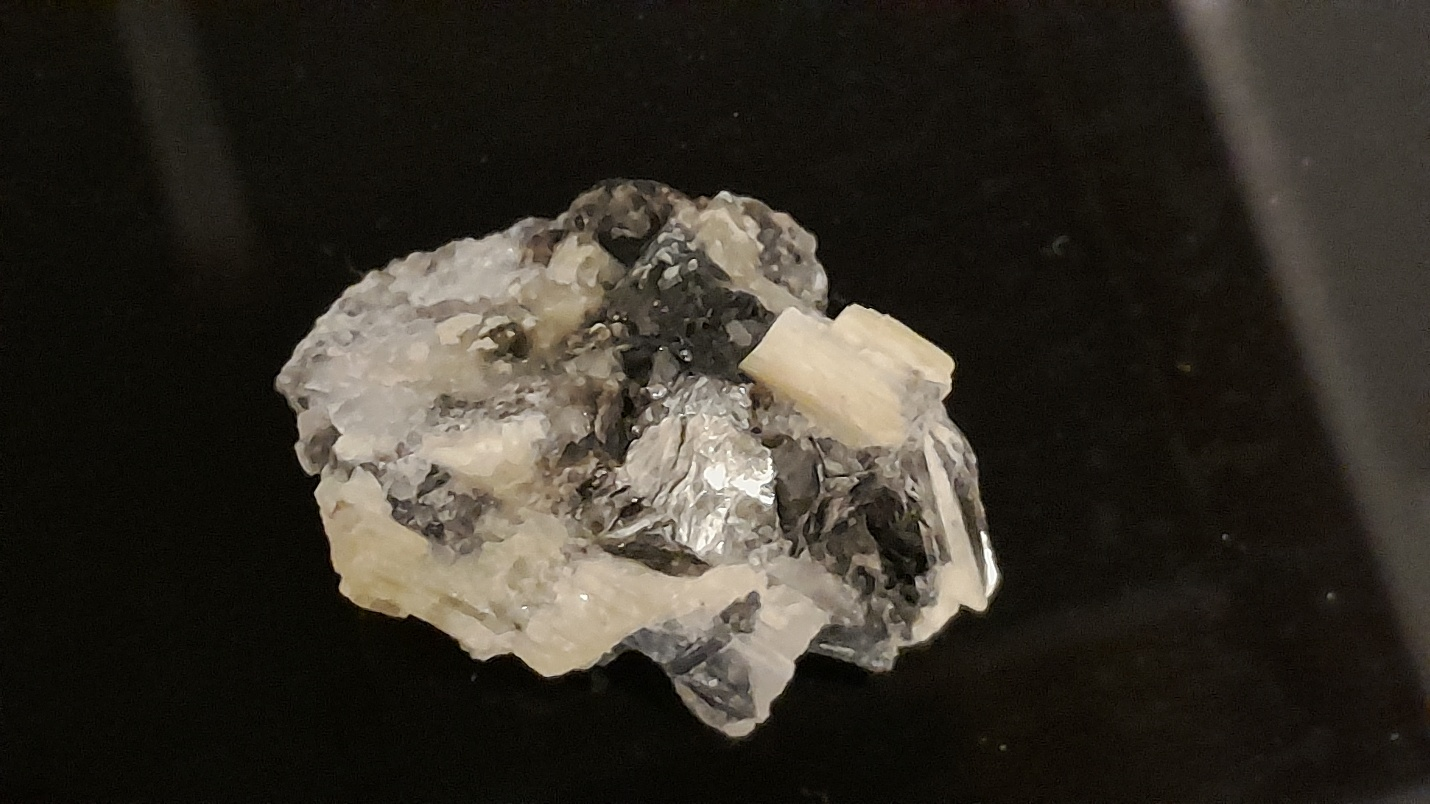
Here, lithium occurs in lithium mica (zinnwaldite) within greisen and granitic rocks. Zinnwald Lithium plc plans an underground mine followed by processing into lithium hydroxide. The 2025 pre-feasibility study describes a two-phase development: Phase 1 with 18,000 tonnes of lithium hydroxide per year, followed by an expansion to about 35,100 tonnes per year, with a planned operating life of more than 40 years (18).
North German Basin – Altmark subregion (Saxony-Anhalt):
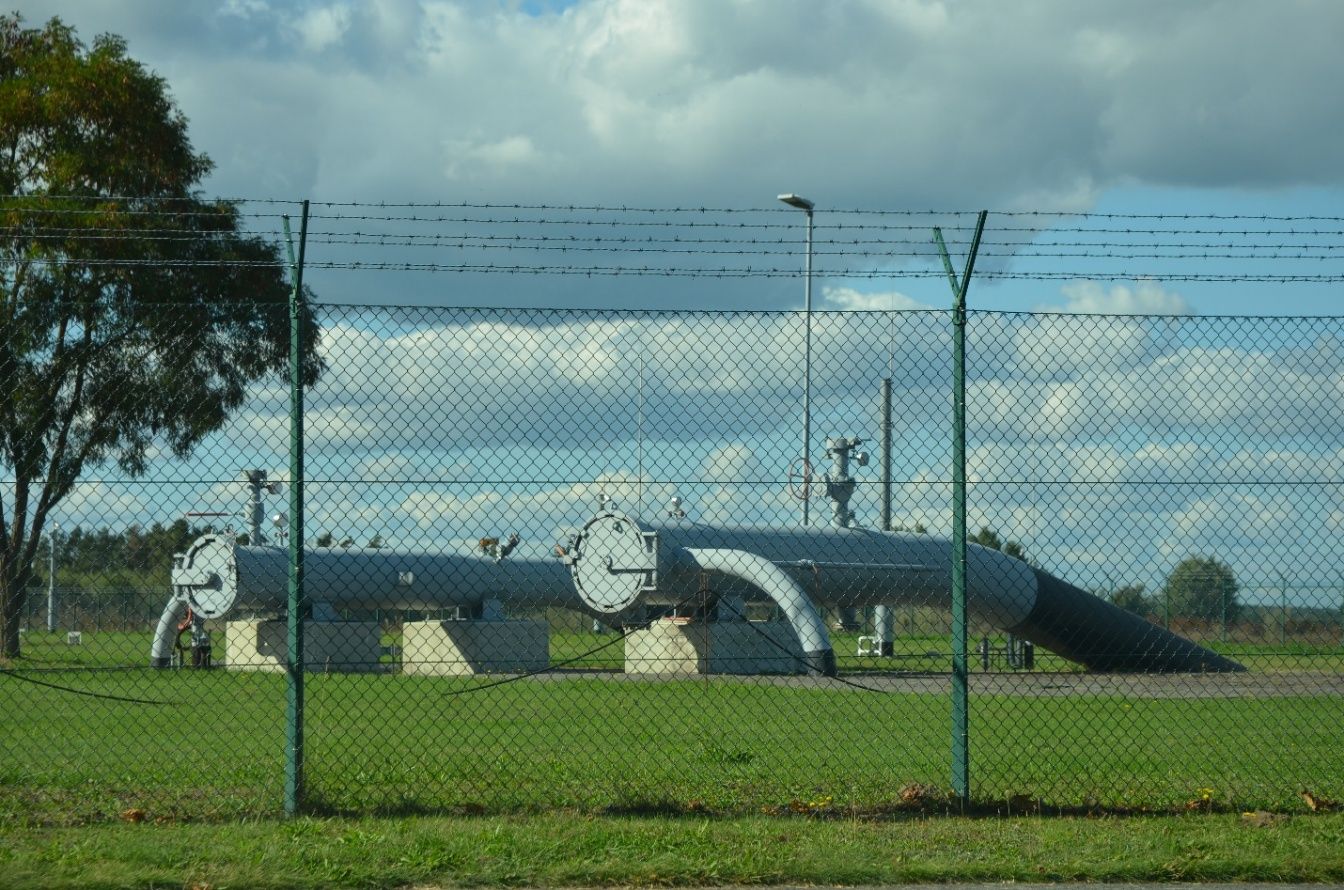
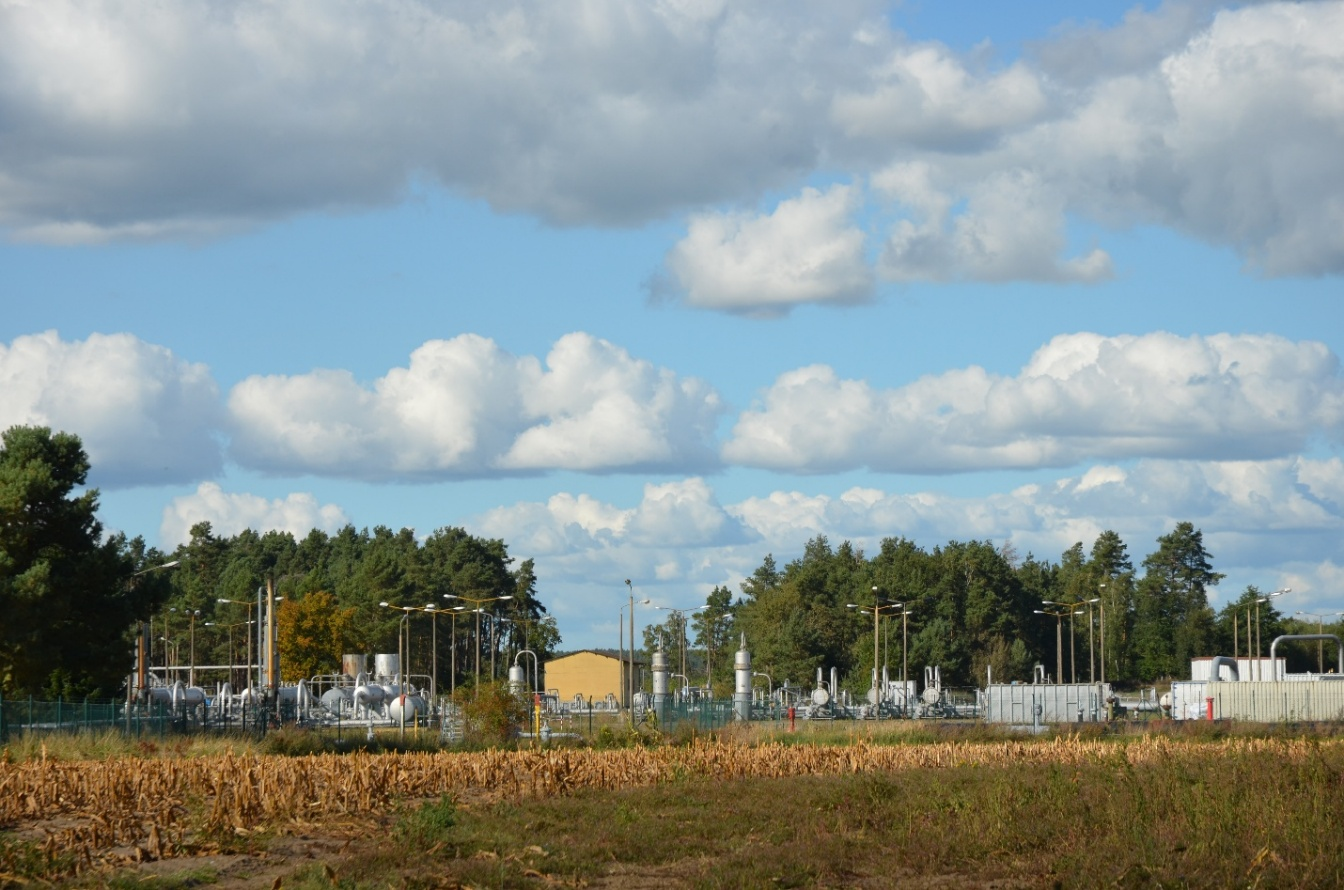
In the Altmark, lithium occurs in deep waters in Rotliegend sandstone at depths of 1,500–4,500 m and is geologically associated with the Altmark natural gas field. This is precisely where the new approach comes in: extracting lithium from formation water brought to the surface through existing gas wells and reinjecting it after the lithium has been separated (19), (20).
The Altmark in focus: deposit, history and stakeholders
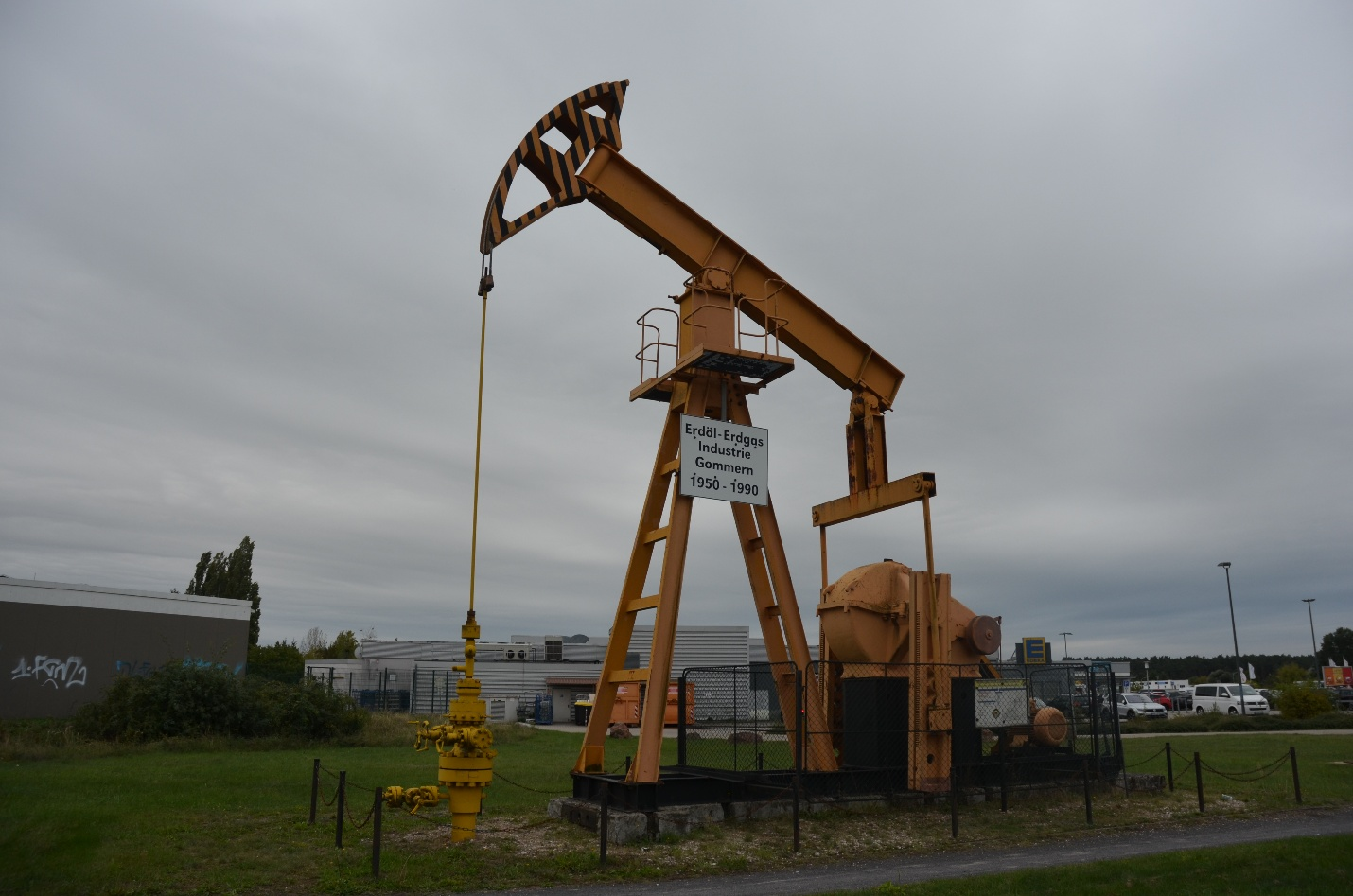
Natural gas has been produced in the region since 1969. Neptune Energy Deutschland’s current lithium project relates to the ‘Jeetze’ production licence area. Two separate mining-law licences were granted on 7 March 2024: Jeetze-L for lithium and Jeetze-E for geothermal energy. The licence areas are congruent and cover around 1,800 km² (19), (26). In addition, the company holds three exploration permits (Milde A-L, Milde B-L and Milde C-L) (21), (22). Lithium-bearing deep waters in the region were documented as early as the beginning of natural gas production. The current operator also reports that an extraction plant in Steinitz was nearly ready for operation in 1989. Average lithium concentrations of around 350–400 mg/L are reported for the Altmark (23). A study prepared for Neptune Energy in August 2025 by the independent evaluation company Sproule ERCE estimates the Altmark resources at around 43 million tonnes LCE (lithium carbonate equivalent, a standard unit expressing the lithium content as the equivalent mass of lithium carbonate) and classifies them as one of the world’s largest project-related lithium resources (21), (22).
Neptune has been testing the same principle of direct lithium extraction (DLE) in the Altmark using successive pilot plants and technologies. The aim is to identify the technically most efficient solution.
The first pilot trial began in November 2024 and passed brine from an existing well through selective filter materials supplied by technology partner Geolith. The lithium adheres to the material, is subsequently released and recovered as a lithium chloride solution. With process support from KBR, an international plant engineering company and process engineering specialist for the chemical industry, the first samples of battery-grade lithium carbonate were produced from this solution (24).
The second pilot trial (June–August 2025) used DLE technology from Lilac Solutions (ion-exchange ‘beads’) and was successfully completed in August 2025. Battery-grade lithium carbonate was produced from Altmark brine (21), (25). A third pilot trial began in mid-September 2025 to assess an adsorption process. The pilot phase is intended to be followed by a demonstration phase involving a fully integrated extraction plant (21).
The State Office for Geology and Mining of Saxony-Anhalt states that, in the licensing procedure, Neptune Energy Deutschland is assuming production of 5,000 to 18,000 tonnes of lithium per year. According to the specialist department’s assessment, the resource would last for around 30 years at these annual production rates, which is why the licence runs until 2054. These figures are planning assumptions, however, and do not yet constitute a production commitment. The technical implementation and the facilities required will be specified in a subsequent operating-plan procedure (26).
For comparison, Chile produced around 41,000 tonnes of lithium (metal content) in 2023 and Argentina almost 9,000 tonnes (1).
Environmental impacts – opportunities, unresolved issues and the region’s historical experience of contamination
Direct lithium extraction can reduce land requirements and the evaporation losses associated with large evaporation ponds, but it is not impact-free. Depending on the technology, additional fresh or brackish water is required, for example for rinsing and washing steps and for preparing process solutions – liquids with precisely adjusted pH or salinity that release bound lithium from the filter materials and clean them. Chemicals and energy are also required. A fair environmental assessment must therefore consider the entire process chain through to a marketable end product such as lithium carbonate or lithium hydroxide. The scientific literature identifies water, chemical and energy requirements, waste generation, and local hydrological conditions as key factors, together with their assessment through close monitoring of water balances and ecosystems (12).
Reinjection underground and small earthquakes
In the planned process in the Altmark, treated deep water is pumped back underground. As is known from deep geothermal projects, such pressure changes can trigger small earthquakes that are usually barely perceptible. In Germany, a magnitude of 2.7 was recorded in Landau in 2009. The key factors determining risk are production and reinjection rates and management of reservoir pressure underground. This requires careful site selection, clear trigger thresholds – defined limits, for example for magnitude, vibration velocity or pressure, at which measures such as throttling or shutdown take effect – and continuous monitoring (27), (28).
Managing naturally occurring radioactivity safely
Formation water is the usually highly saline water stored in the pores of deep rocks. It can contain dissolved radionuclides such as radium-226 and radium-228. Production and processing can therefore lead to deposits in pipes, fittings and vessels, as well as accumulation in filters and ion-exchange resins. Such residues with elevated levels of natural radioactivity have long been known from oil and natural gas production, deep geothermal energy and drinking-water treatment, and are referred to as NORM residues (NORM = naturally occurring radioactive material) (29).
In Germany, the Radiation Protection Act and the Radiation Protection Ordinance regulate the handling, monitoring and disposal of such residues. Releases of radioactive substances must be prevented through appropriate technical and organisational measures (30), (31). For the planned lithium extraction in the Altmark, this means that filter materials, resins and sludges, as well as scale deposits accumulating in pipes and plant components, must be assessed, monitored, safely stored temporarily and properly disposed of.
Heavy metals and the region’s experience with legacy contamination
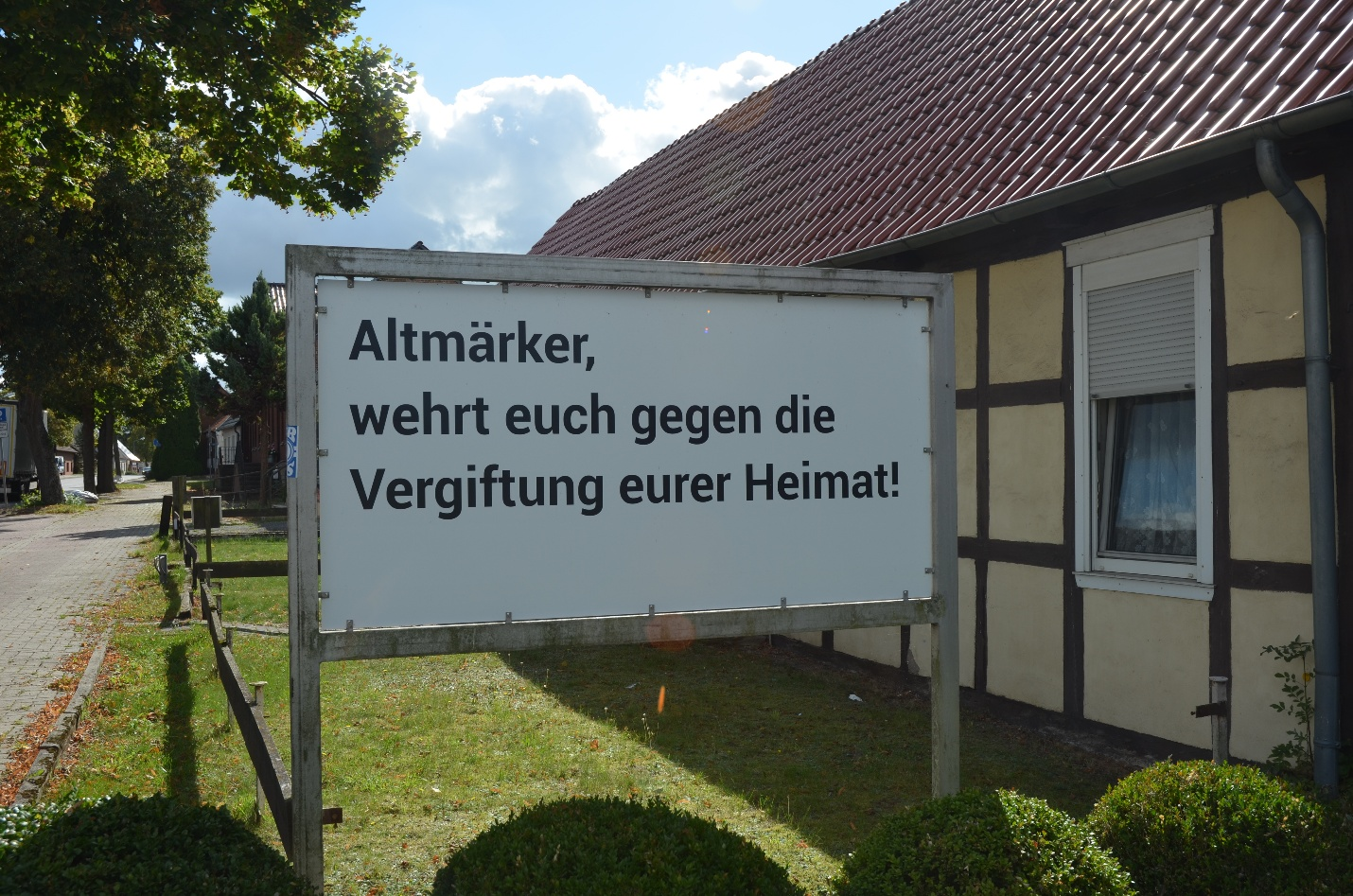
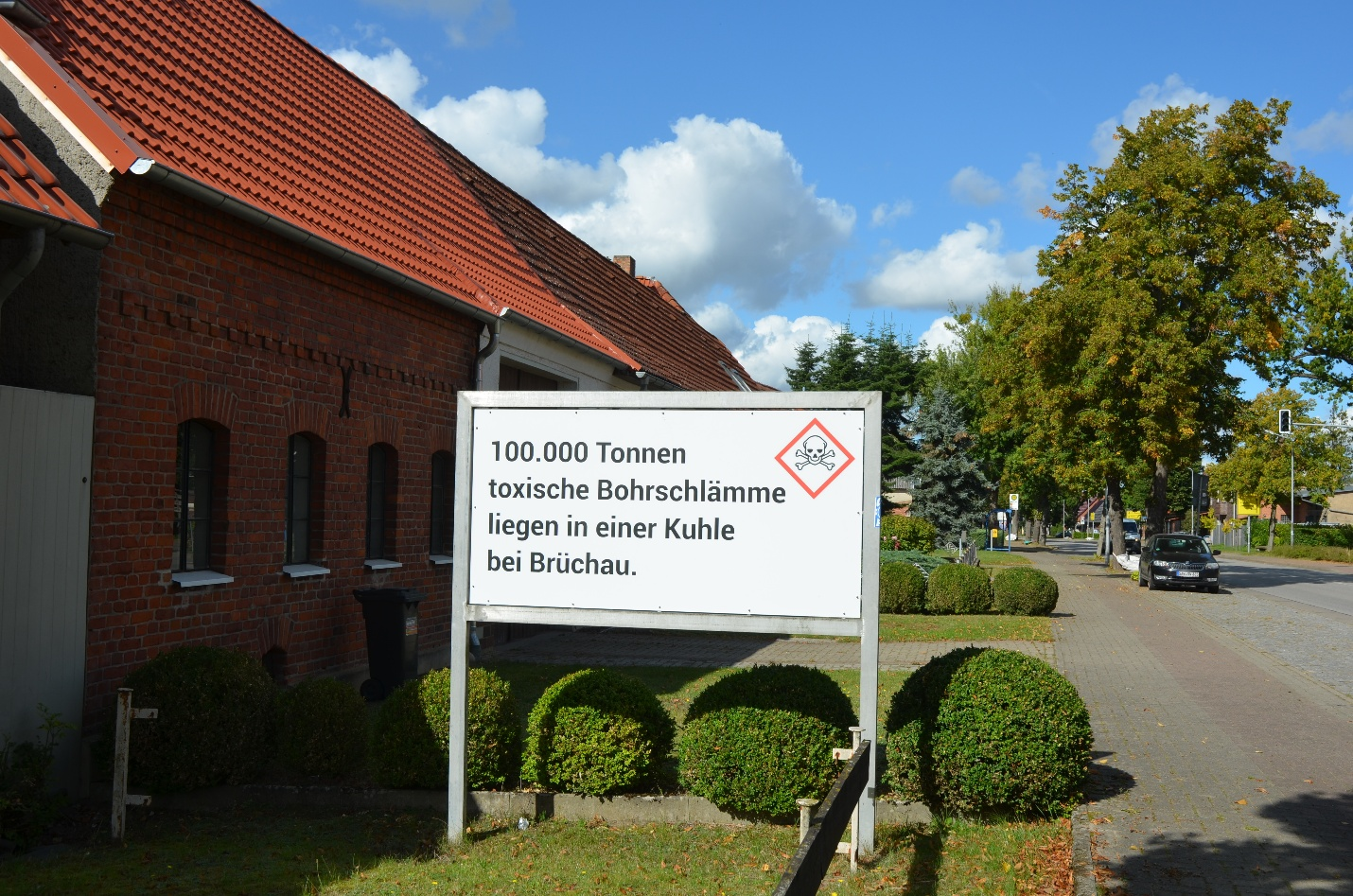
In the Altmark, the Brüchau drilling-mud pit has been a major environmental issue for years. It contains residues from natural gas production, including large quantities of mercury and other pollutants. The problem is that such deposits can generate leachate and thereby endanger soil and groundwater. Official figures already recorded around 250 tonnes of elemental mercury and 4 tonnes of mercury compounds in the pit in 1990 (32). In August 2025, the State Office for Geology and Mining of Saxony-Anhalt approved encapsulation of the waste on site. This ‘site containment’ is intended to isolate the waste permanently from the surrounding environment by sealing it (33). For new projects such as the planned lithium extraction, this history increases expectations regarding transparency, independent baseline measurements and ongoing environmental monitoring. At the same time, an online petition with almost 20,000 signatures demonstrates the scepticism and opposition of part of the population (34).
Assessment and outlook
The Altmark brings decades of experience from natural gas production since 1969, providing a practical foundation for new lithium-extraction processes using existing well-site and pipeline infrastructure. At the same time, elements of the value chain are being established in Saxony-Anhalt: Europe's first refinery for battery-grade lithium hydroxide has opened in Bitterfeld-Wolfen, providing a potential downstream processing location (35) . In addition, Saxony-Anhalt is strengthening its scientific and industrial expertise for a sustainable lithium economy through the Institute for Technology and Economics of Lithium (ITEL, German Lithium Institute) in Halle. Its work focuses on carbon-neutral production, the development of an integrated value chain that makes use of by-products, a European circular lithium economy based on digital twins, and the international standardization of relevant environmental, social and governance criteria (36) .
The region therefore has an opportunity to put the objectives of the EU Critical Raw Materials Act into practice. Whether it becomes a flagship project will depend on three points:
i. The pilot trials must demonstrate that direct lithium extraction processes can operate reliably and economically at industrial scale.
ii. The project's local environmental performance must be convincing, particularly with regard to water, chemicals, energy, residues and induced seismicity, and must be safeguarded, among other things, through clear trigger thresholds, public monitoring and state-of-the-art radiation protection.
iii. Social acceptance is essential: transparent procedures, participation and tangible local benefits (eg jobs, usable heat from geothermal energy and consistent remediation of legacy contamination).
If these conditions are met, the Altmark can make a meaningful contribution to European raw materials sovereignty and reduce dependence on imports.
| Voriger Beitrag | Zurück zur Übersicht | Nächster Beitrag |

