A Slippery Slope

Large-scale landslides and dwindling water resources: Armenia faces major challenges in adapting to climate change. In late September, a team from the Ecological Engineering Research Group at Magdeburg-Stendal University of Applied Sciences visited Yerevan to explore potential solutions together with the National Polytechnic University of Armenia (NPUA).
“Only half full, no more than that.” This is how Hayk Igityan describes the state of some of Armenia's large reservoirs at the time of the interview. Igityan heads the Laboratory for Climate Change and Sustainable Development at NPUA. His research spans geology, natural hazards, climate change and adaptation, as well as water management.
For him and his team, low reservoir levels are a warning sign. In this dry, sunny country in the South Caucasus, growing pressure on water resources is compounded by ageing infrastructure. Large parts of Armenia's irrigation system date back to the Soviet era and are in need of modernisation. A recent World Bank analysis estimates that around half of the water is lost through the distribution networks.
There is also another problem, one that is barely visible from the outside: sediment accumulates in the reservoirs, gradually reducing their usable storage capacity. The extent to which this will affect reservoirs in the future is not yet fully understood. How much sediment will actually accumulate? And how much water will the reservoirs then be able to store?
This intersection of water management and climate adaptation is also a focus of engineering ecology research in Magdeburg. One of the key questions is how changes in climate, water systems and landscapes can be considered together, and what role nature-based solutions can play in retaining water in the landscape for longer and mitigating the effects of drought.
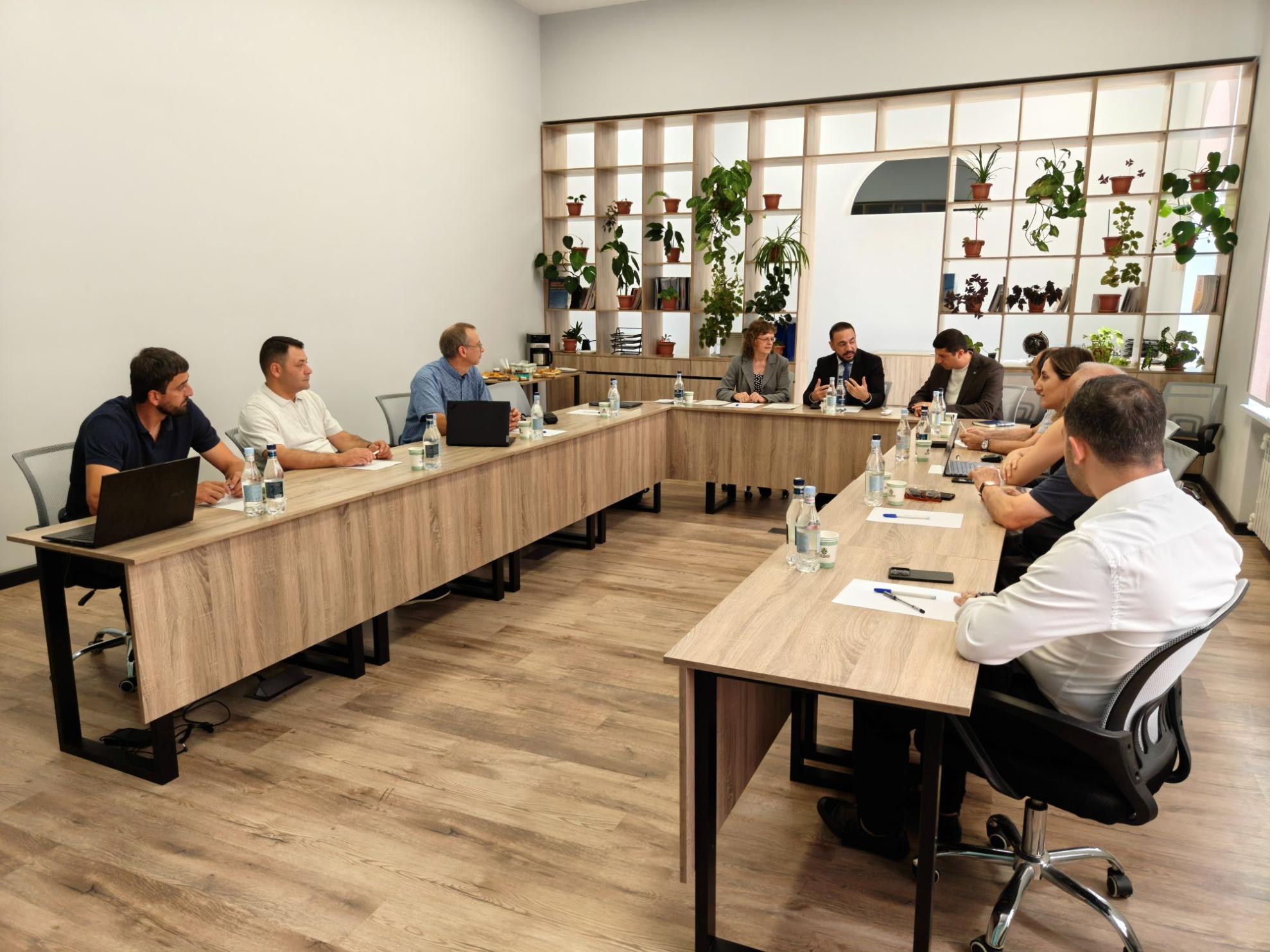
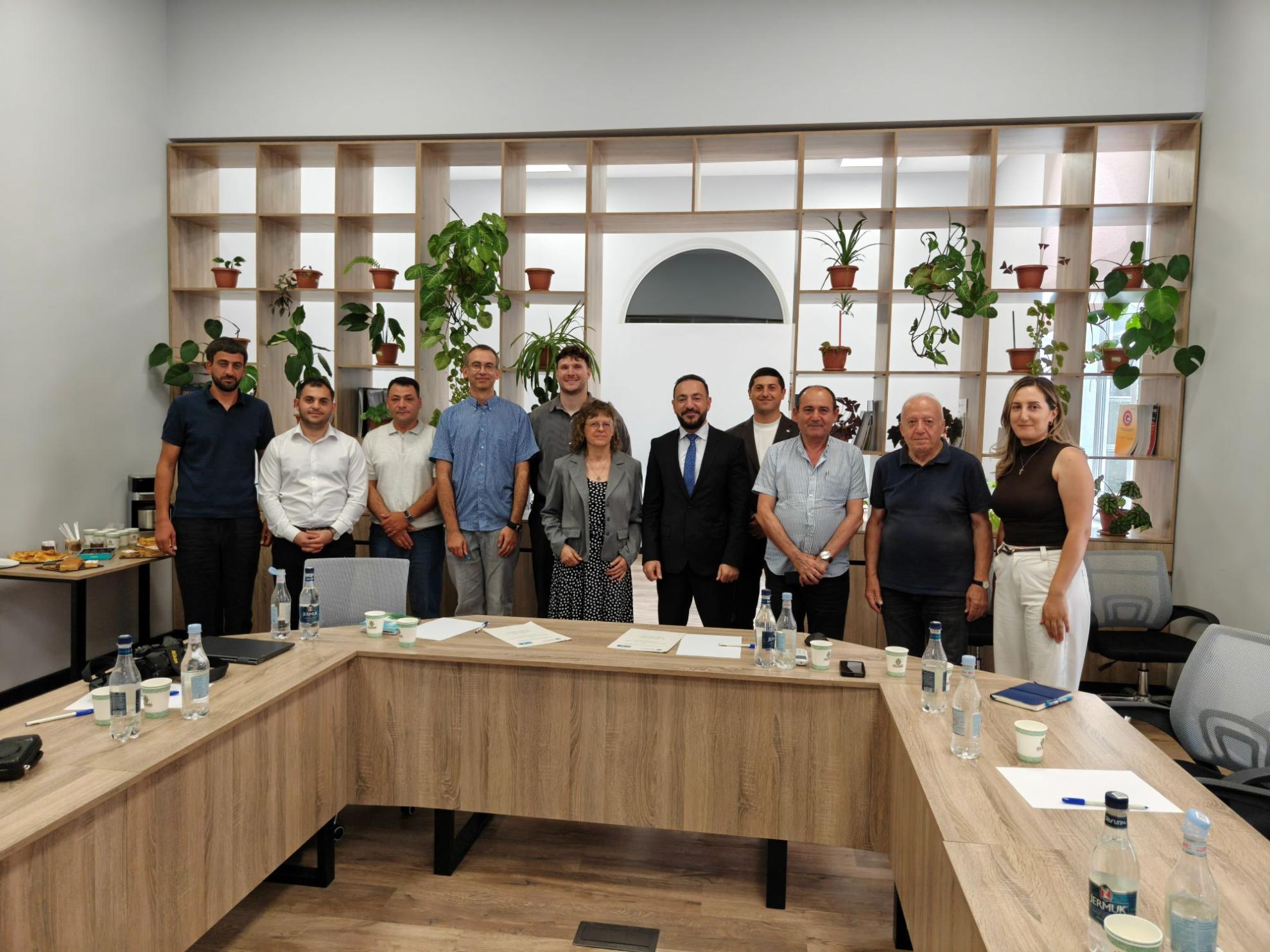
From 21 to 25 September 2026, Professor Petra Schneider and two research staff members from Magdeburg-Stendal University of Applied Sciences visited NPUA. The two universities have been in contact since 2023, when an Armenian delegation visited several German universities, including Magdeburg, as part of a DAAD initiative. Since then, there have been reciprocal visits, preparations for joint publications and funding applications. This time, the aim was to define the focus of their collaboration more clearly: What are the most pressing problems? And what can each side contribute?
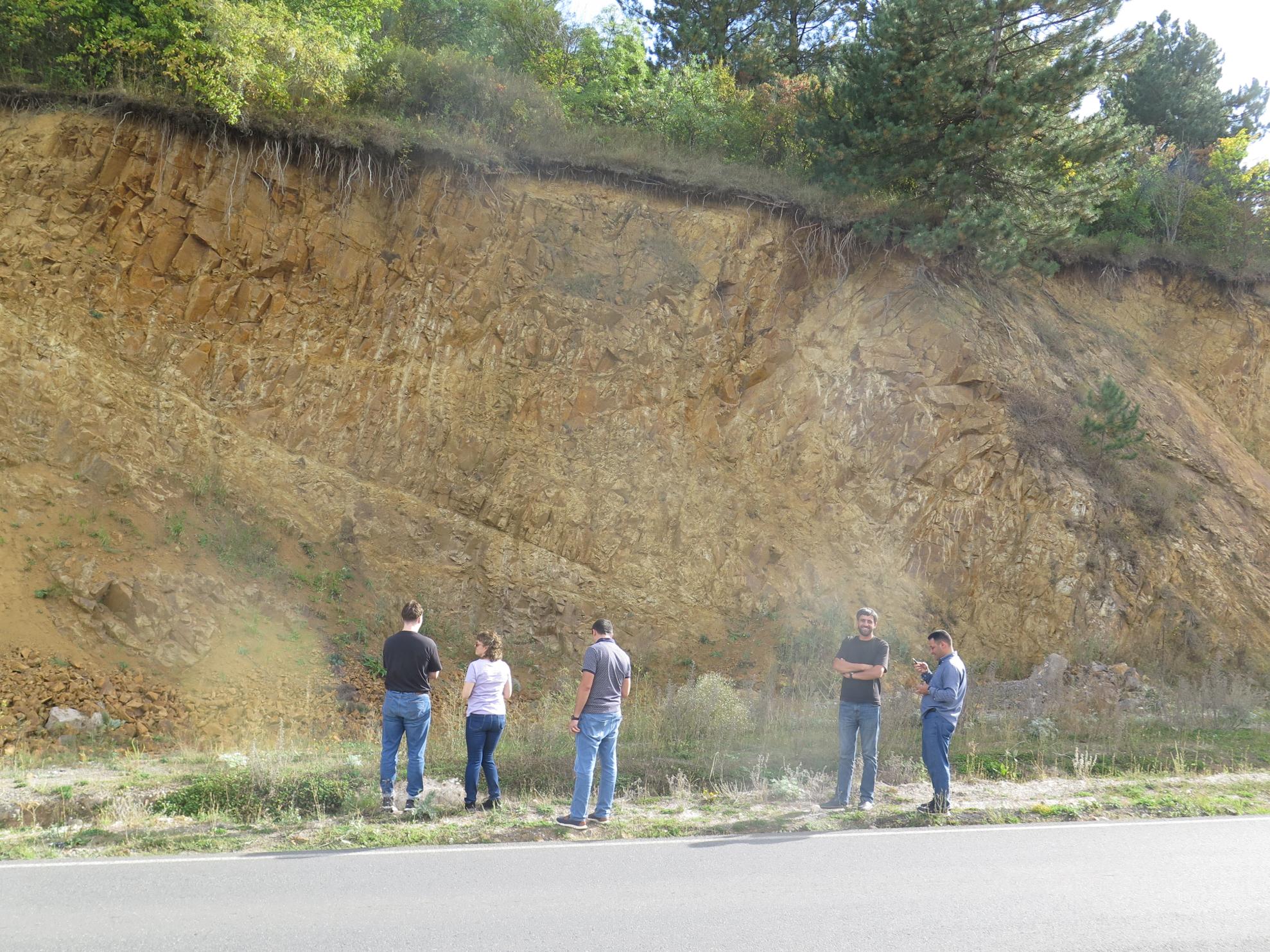
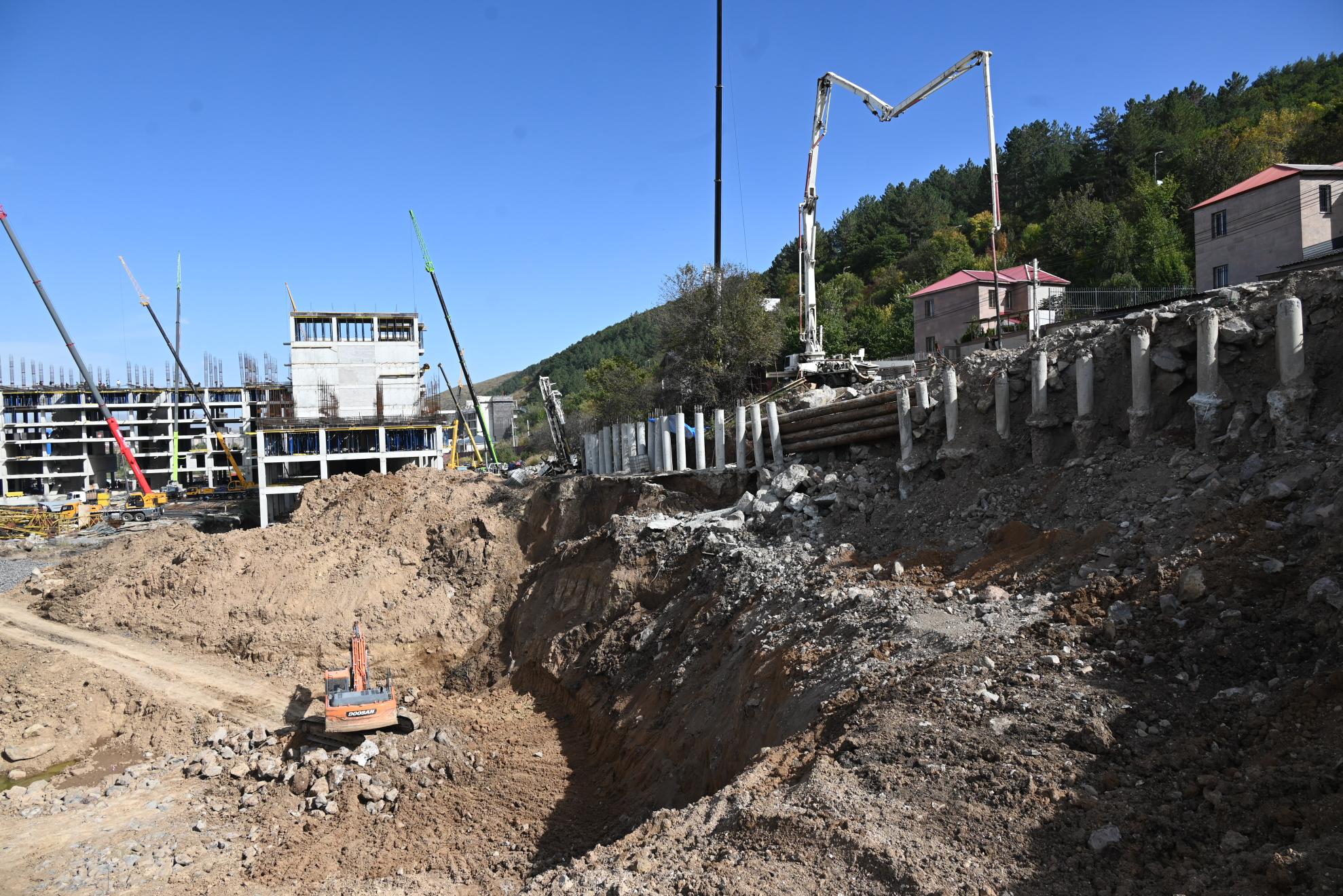
The practical relevance of this collaboration became particularly clear during a field excursion to landslide sites near the capital, Yerevan. More than 2,500 active landslides have been mapped in Armenia. Particularly in mountainous regions, they are among the most significant natural hazards, threatening roads, pipelines and other infrastructure, as well as entire settlements. Researchers are mapping active and landslide-prone areas and, at some sites, using sensor-based monitoring and early warning systems to detect slope movements. Their technical discussions focus, among other things, on how different measurement and geospatial datasets can be combined using freely available software such as QGIS and applied to risk assessment, as well as which measures have proved effective in practice. Slope stabilisation can also involve nature-based solutions that combine vegetation with engineering measures.
The collaboration extends beyond the analysis of natural hazards. NPUA uses satellite data and models relating to water resources and land use, and maintains close links with authorities, local stakeholders and non-governmental organisations. However, as the Armenian partners explain, reliable data are lacking for some research questions, as are the financial resources needed for extensive measurement campaigns and analyses. Magdeburg-Stendal University of Applied Sciences contributes experience gained through its own research projects. These address not only slope stability but also how nature-based solutions can help cities adapt more effectively to heat, drought and heavy rainfall.
One example is the green roof test site on top of the university canteen in Magdeburg. Researchers are investigating whether processed mineral construction materials are suitable as growing substrates and how their use affects water retention and water quality. In this way, the project combines climate adaptation with the circular economy and resource conservation.
A similar approach is now to be tested in Armenia. Green roofs are still a rare sight in Yerevan. During the excursion, however, other forms of urban greenery were visible, including densely vegetated façades and tree-lined streets providing shade. The Armenian partners plan to construct their first green roof using a substrate made from recycled construction materials by the end of December 2026, thereby also conserving primary raw materials. “We are planning to implement projects in Armenia focusing on the reuse of construction waste and the circular economy, while also advancing the planning and implementation of green roofs,” says Hayk Igityan.
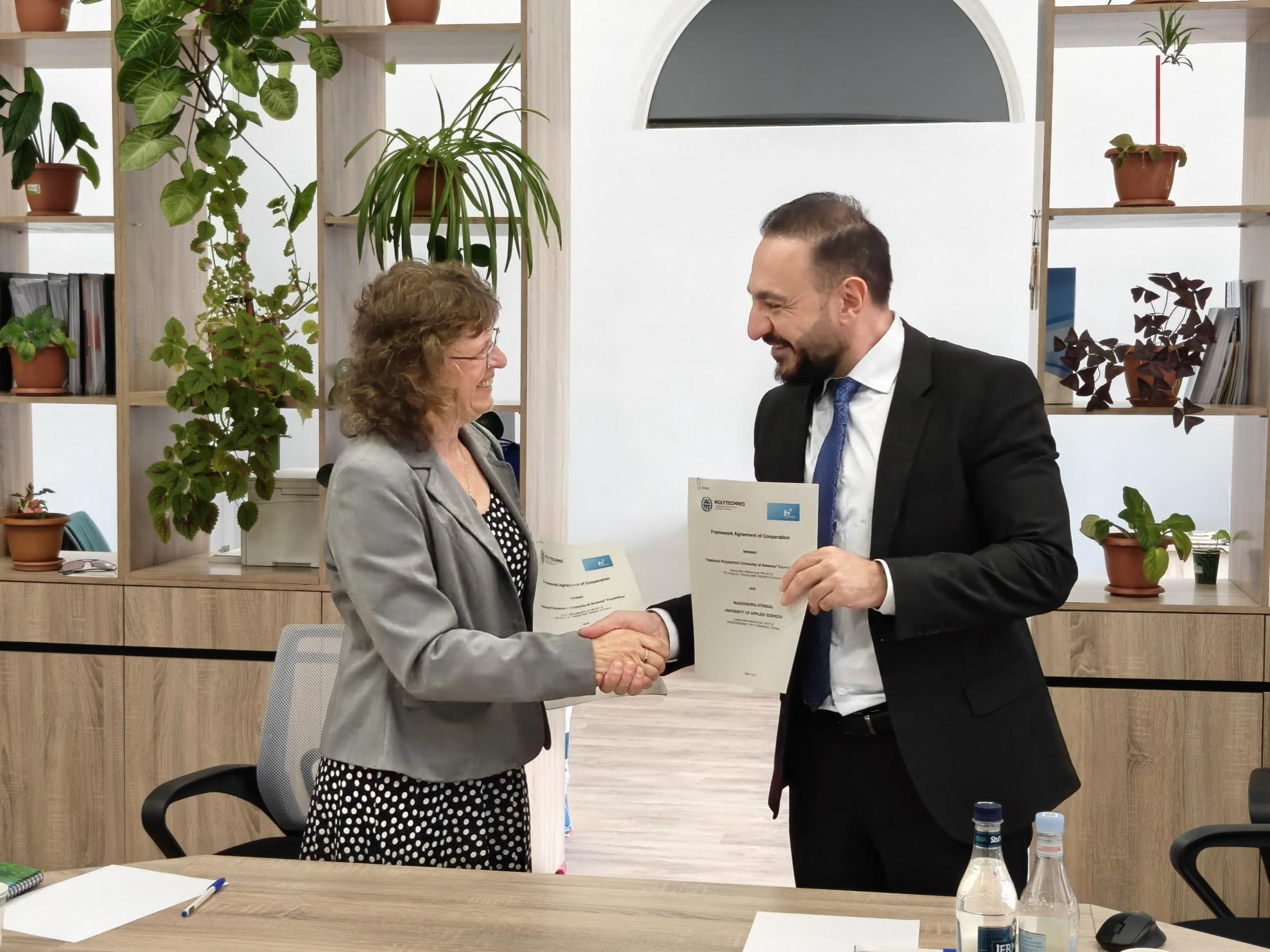
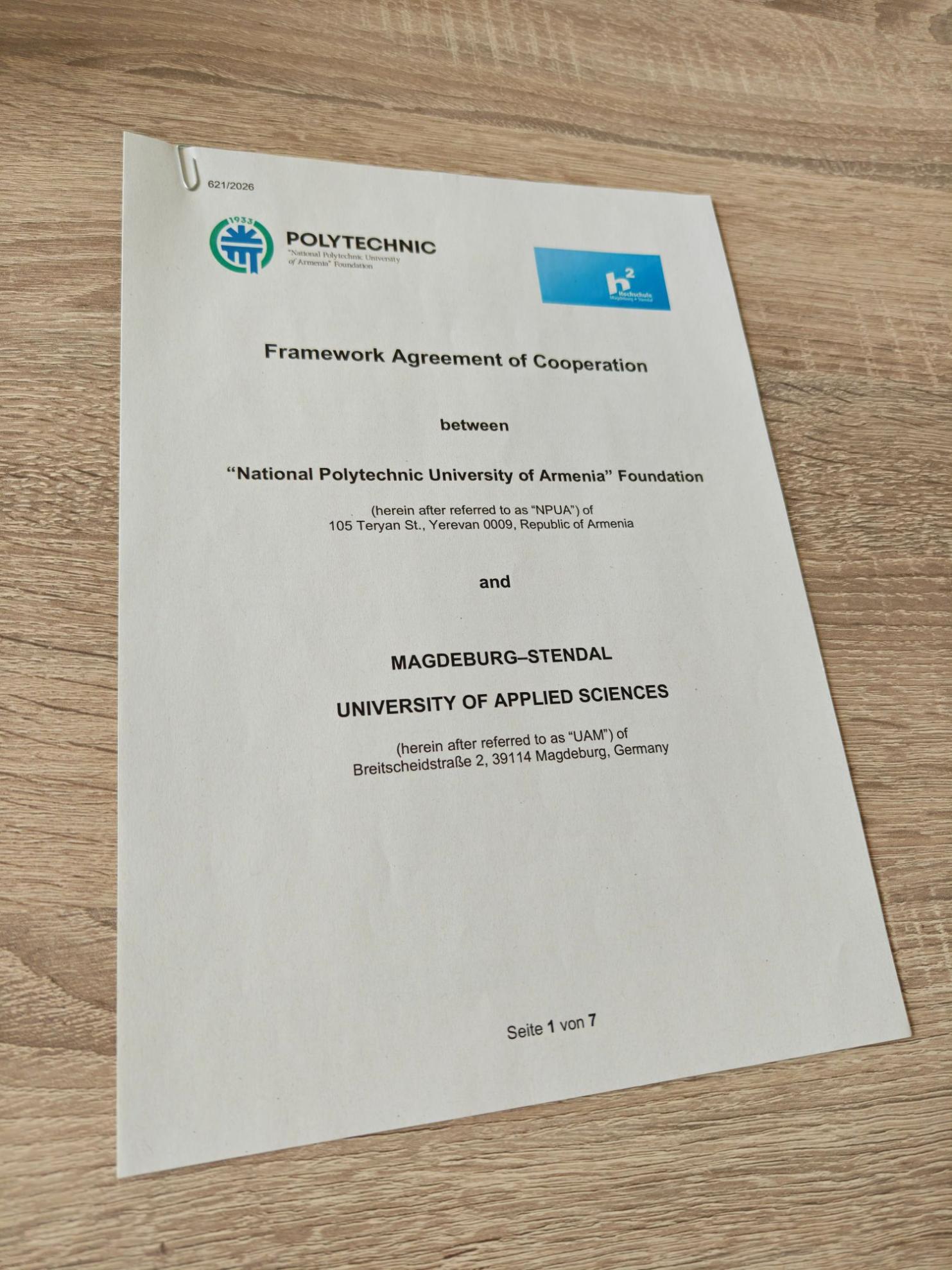
With the signing of a Memorandum of Understanding on 23 September, Magdeburg-Stendal University of Applied Sciences and the National Polytechnic University of Armenia established a framework for their future collaboration. Plans include joint research, funding applications and exchanges of students, lecturers and researchers. There are already opportunities for students to become involved, for example through the Master's programme in Sustainable Cities Engineering at NPUA and the Master's programme in Engineering Ecology in Magdeburg. Joint Master's theses on reservoirs, landslides or urban greenery are also conceivable. In the longer term, the partners intend to explore the possibility of establishing a Master's programme in Engineering Ecology at NPUA, based on the Magdeburg model.
“What began with our first contact in 2023 has developed into a collaboration that I am delighted to be part of,” says Professor Petra Schneider. The next step is to turn these ideas into concrete research projects, covering water resources and natural hazards as well as climate adaptation, urban greenery and the circular economy.
| Zurück zur Übersicht | Nächster Beitrag |

