Resources in Focus: Collaboration with Vietnam
Vietnam in the Research Context
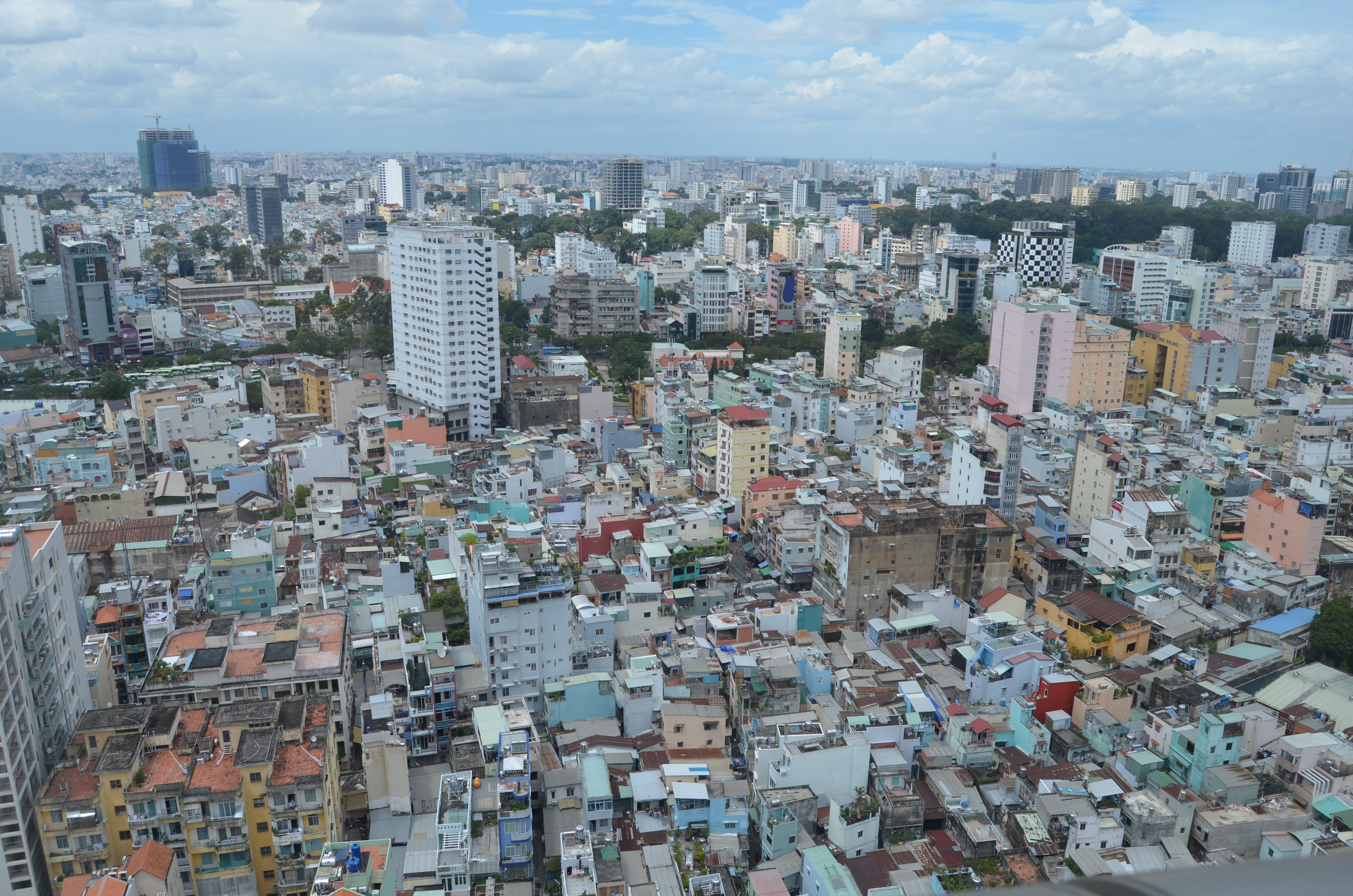
Vietnam is among the rapidly growing industrial and urbanising regions of Southeast Asia. Accelerated urban expansion and infrastructure development increased pressure on natural resources (e.g. sand and gravel) and confronted cities and regions with complex environmental challenges—ranging from waste and landfill management to the impacts of raw-material extraction and mining. In particular, the resource-intensive metropolitan areas around Hanoi and Ho Chi Minh City became important arenas for applied research in engineering ecology.
Start of the Collaboration and Partner Institutions
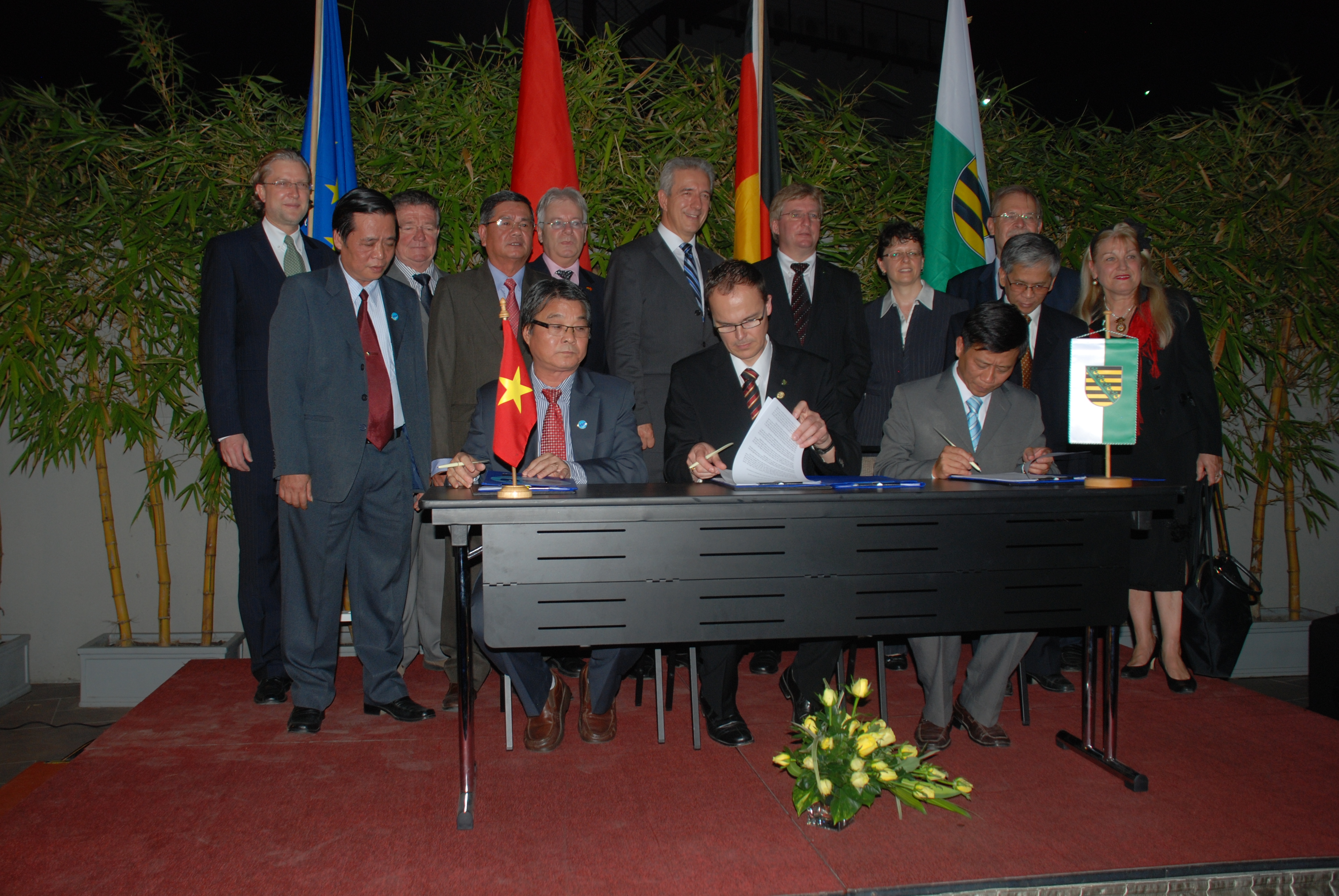
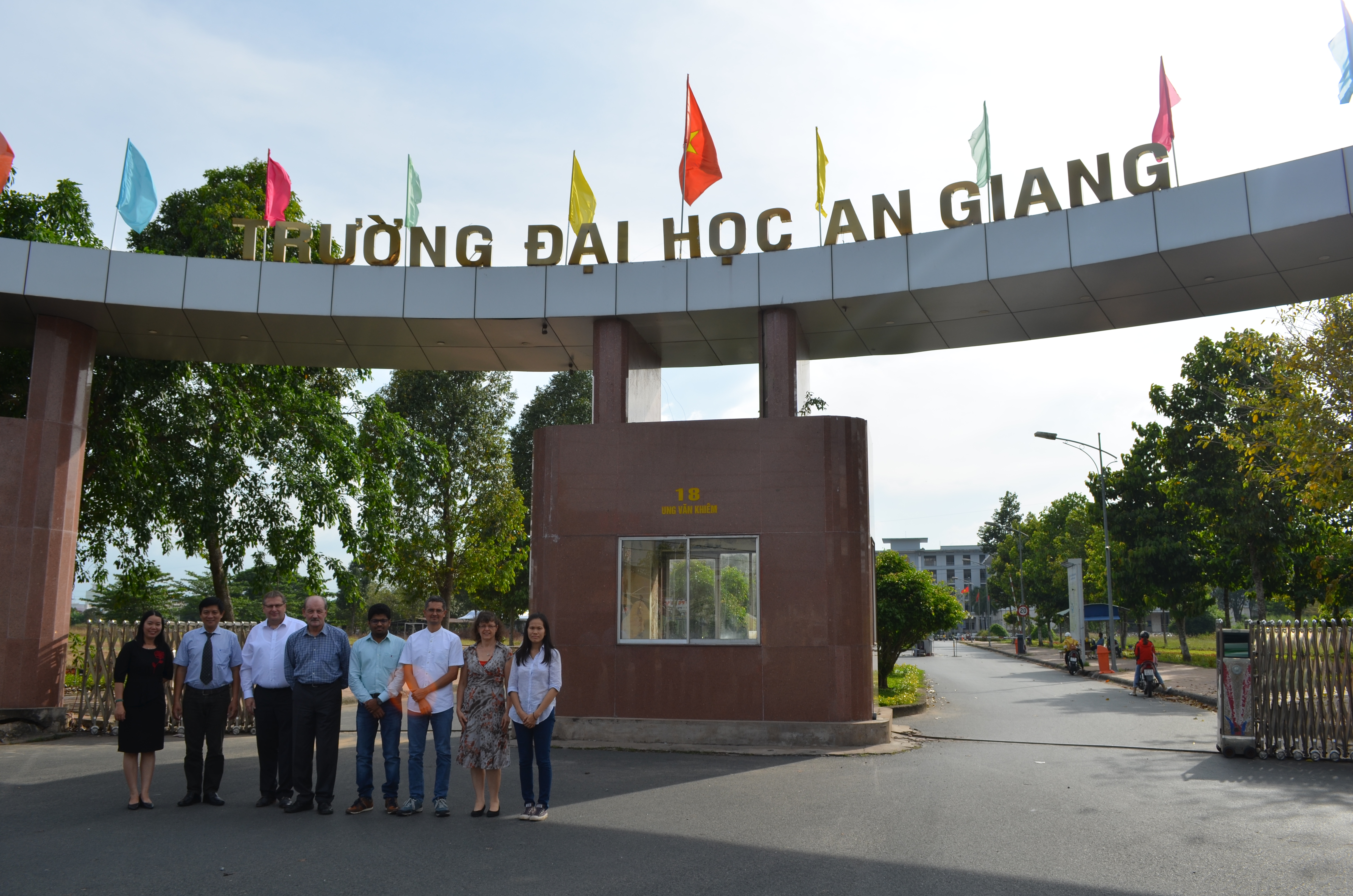
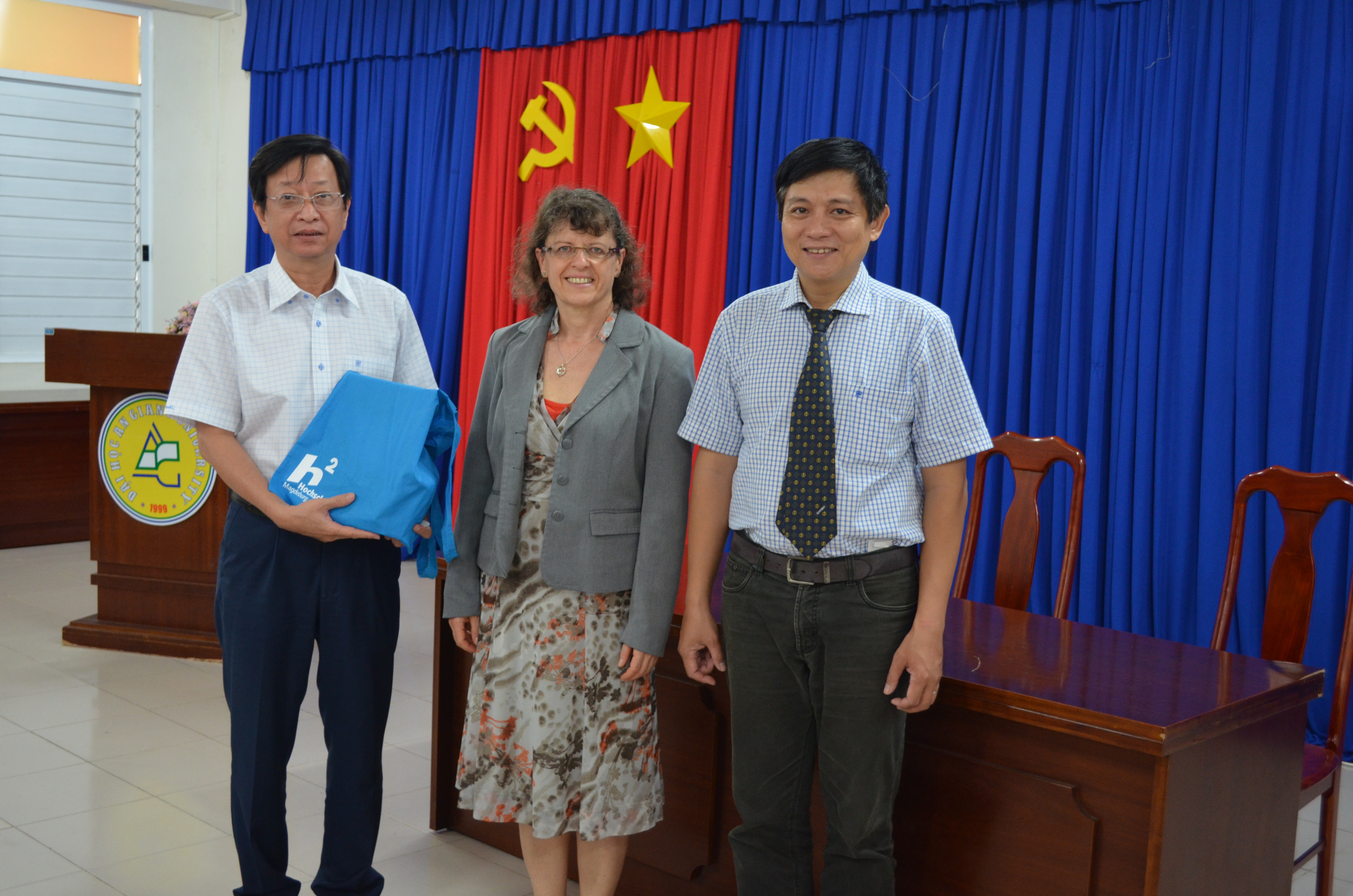
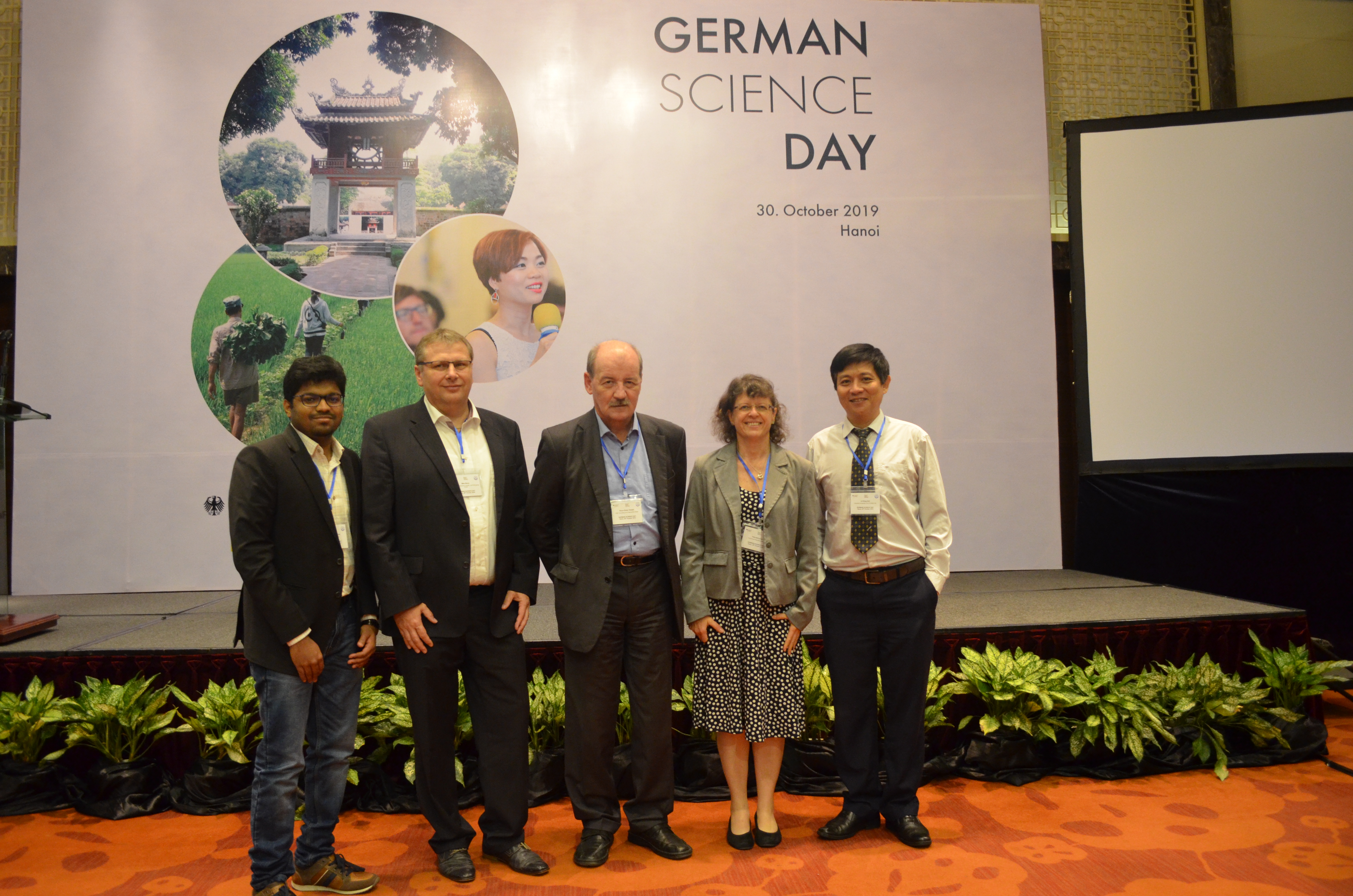
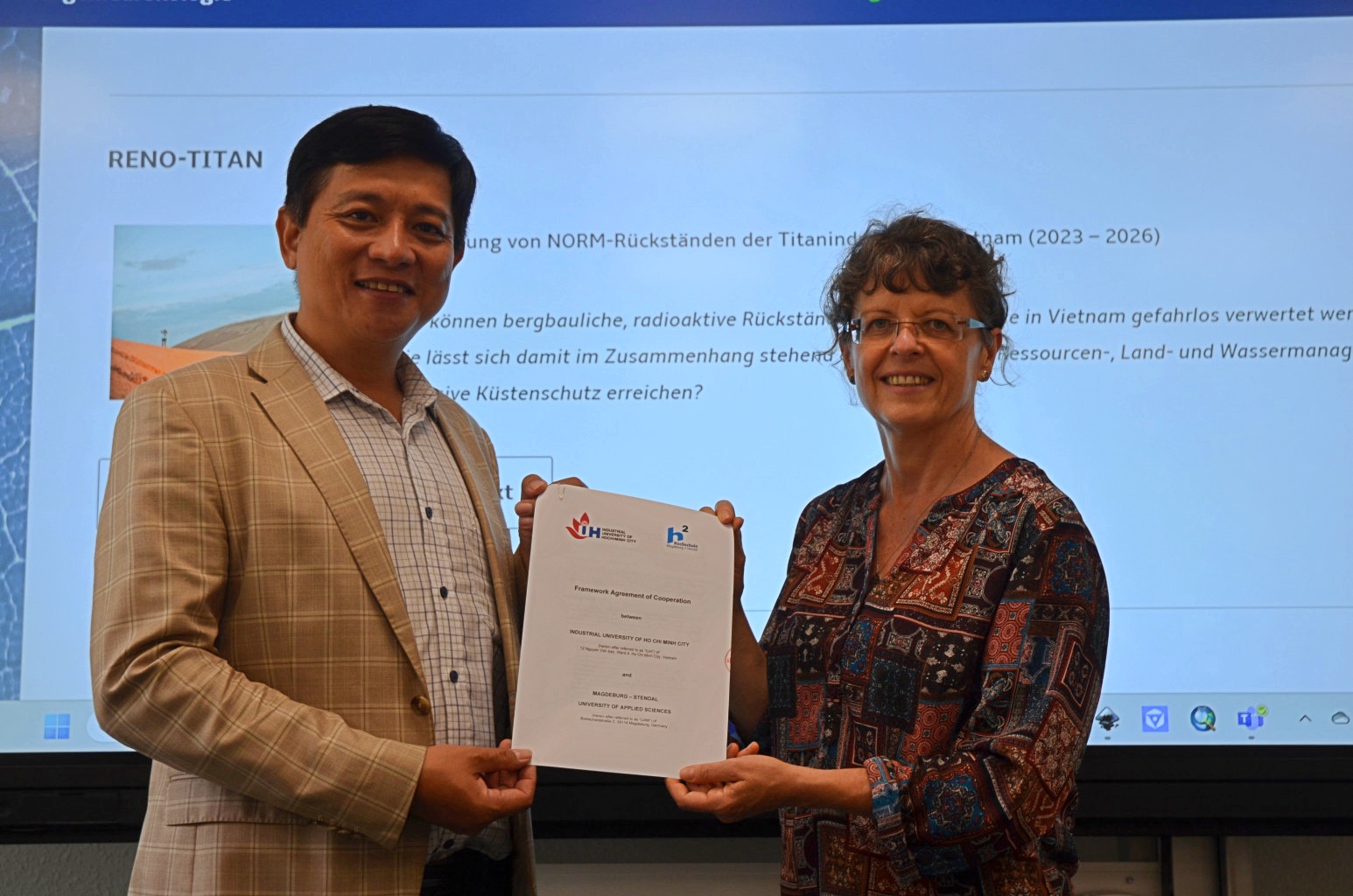
Collaboration with Vietnam has been in place since 2008. Initial contacts were established through a business delegation trip to Vietnam organised under the auspices of SAXUTEC e.V. and the Chamber of Industry and Commerce (IHK), in which Dr Petra Schneider participated at the time as a representative of the Chemnitz-based company C&E. This provided the basis for networks with later project partners and university collaborators. The cooperation was subsequently continued and expanded at Magdeburg–Stendal University of Applied Sciences. A formal cooperation agreement with the Industrial University of Ho Chi Minh City (IUH) has also been in place since 2018.
Thematic Priorities of the Collaboration
The collaboration has centred on applied environmental research and practice-oriented solutions for resource management, waste management, and material-flow management. In addition, research stays, exchange formats, and student mobility have been used to further develop expertise and solutions in both countries.
Key Thematic Areas and Projects to Date
- Waste and Landfill Management
Project: SAFEUSE – Options for the Rehabilitation and Management Concept for the Landfill Gò Cát in Ho Chi Minh City, Vietnam (3 years, 2013–2016)
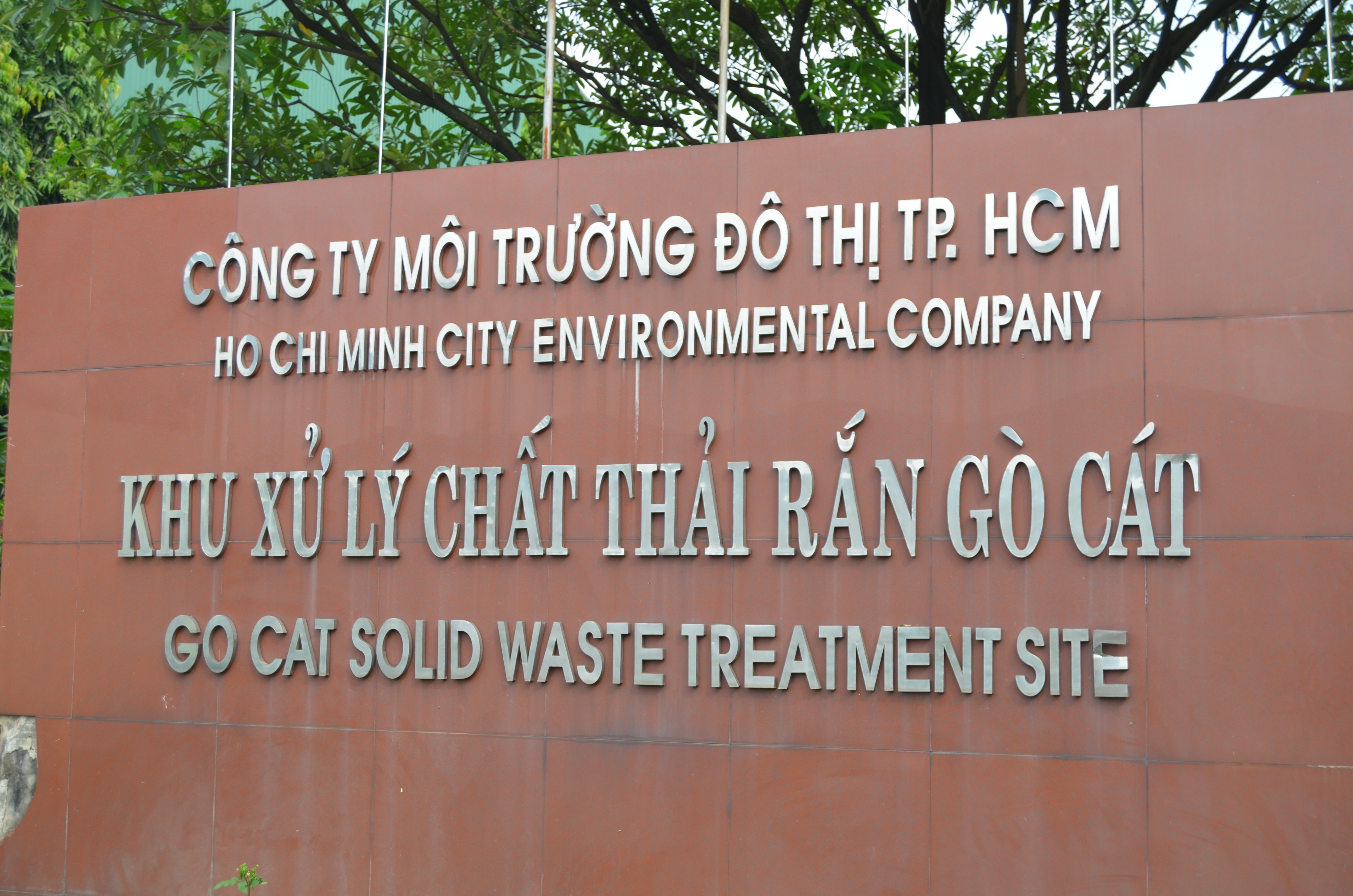
Within SAFEUSE, the project partners developed options for action to ensure the professional aftercare of closed landfills and to make subsequent uses more predictable and feasible. Using the Gò Cát landfill as a case study, conceptual measures were devised to reduce risks for the environment and urban development. Key topics included improved recultivation strategies, leachate treatment, and the reduction of greenhouse-gas emissions. The project also strengthened knowledge-exchange formats and the involvement of local stakeholders.
Photo: Prof. Dr. Petra Schneider
- Mineral Resources for the Construction Sector – Material Flows, Extraction, Environmental Impacts
Project: MAREX – Management of Mineral Resource Extraction in Hoa Binh Province – A Contribution to Sustainable Development in Vietnam (3 years, 2015–2018)
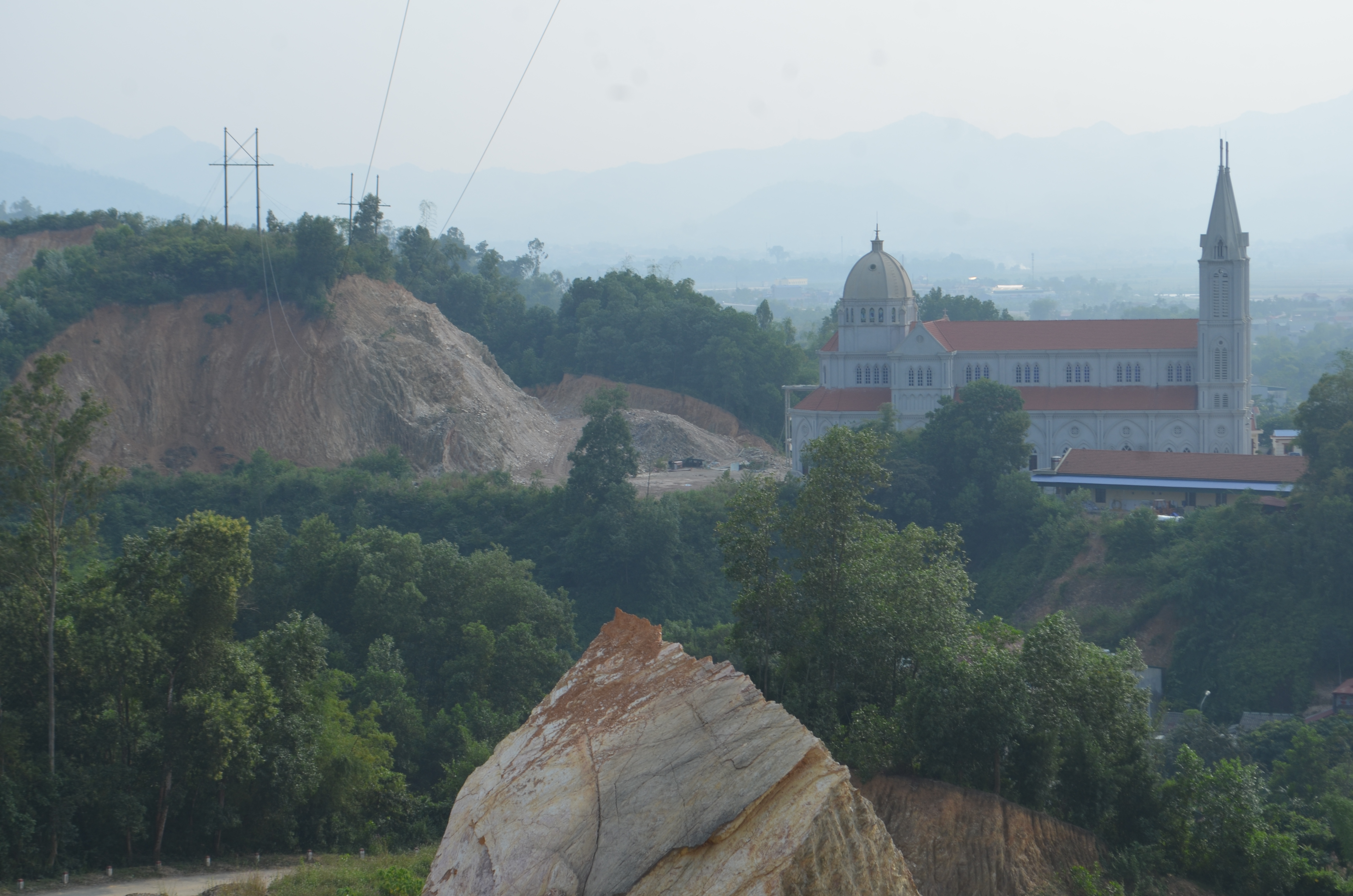
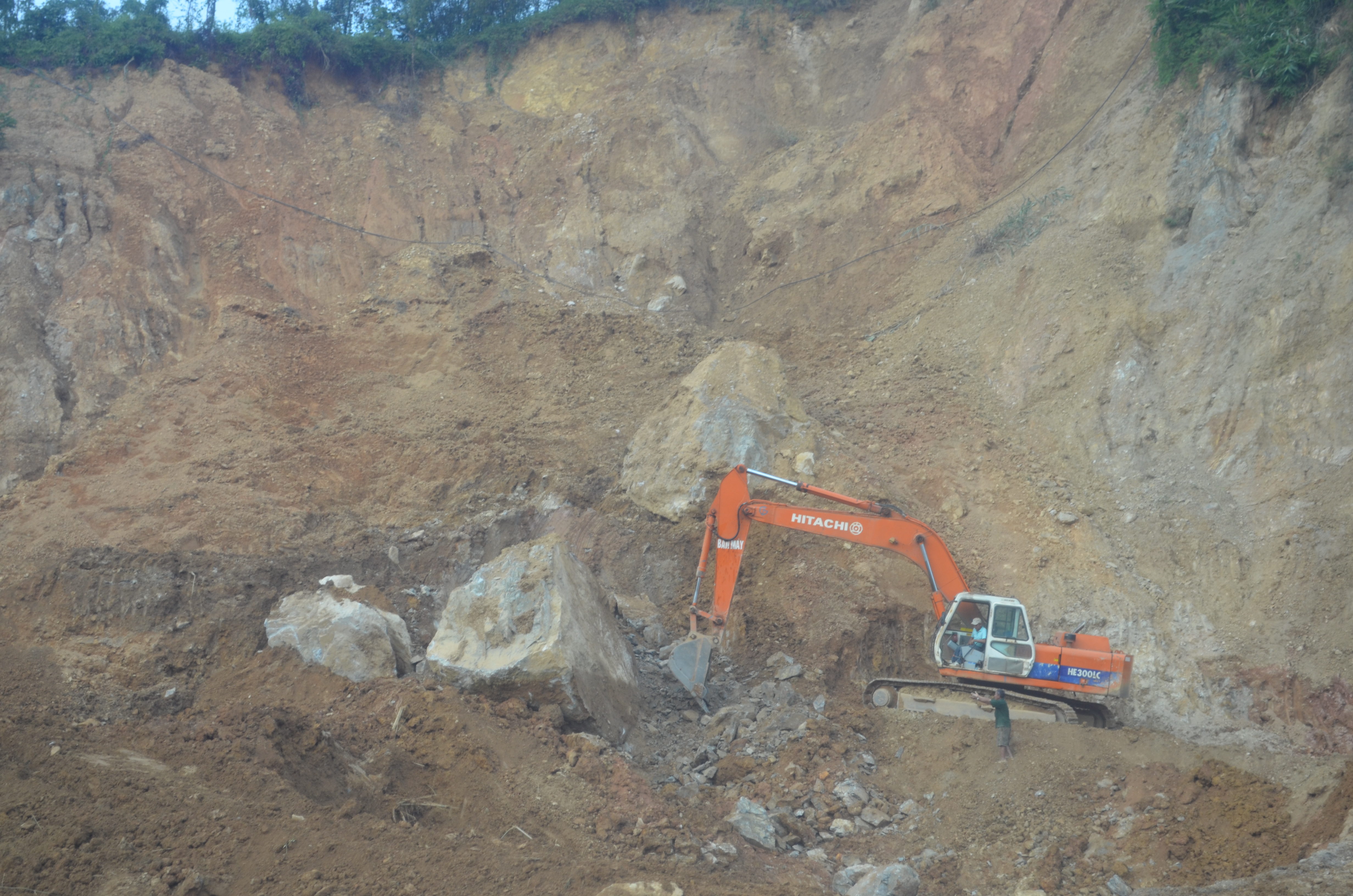
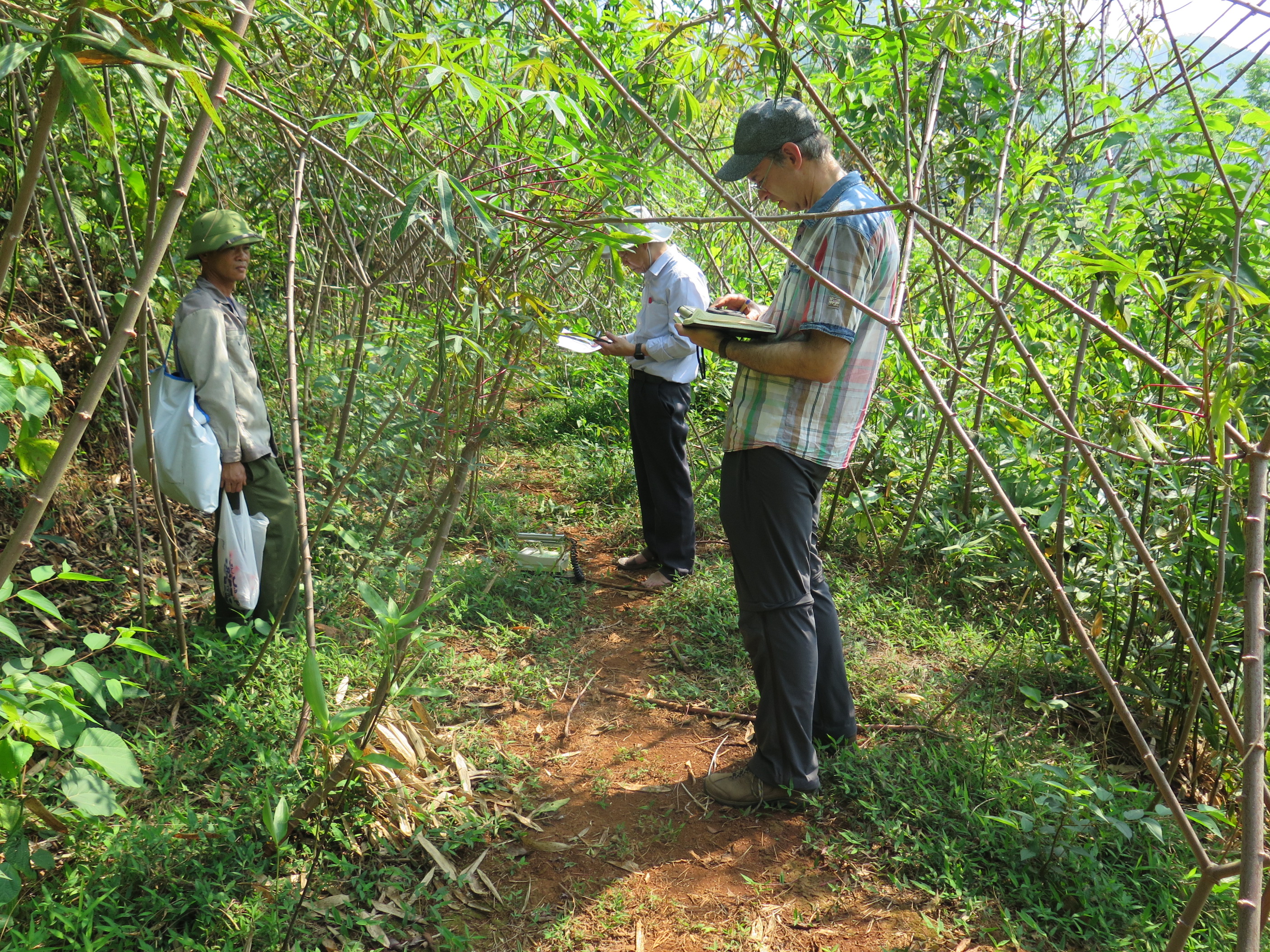
In MAREX, material flows in the construction materials industry in the Hanoi region were documented, and their environmental impacts as well as resulting land-use conflicts were analysed. Empirical case studies in Hòa Bình Province provided the basis for systematically assessing pressures, conflict constellations, and technical mitigation options. The project partners applied material-flow analysis methods to better estimate demand for mineral resources and to support planning processes. In addition, cooperation between industry and public administration (“business–policy interface”) was further developed.
Photo: Prof. Dr. Petra Schneider
Project: SAND! – Alternative Sand Production and Risk Reduction of Dredging in Vietnam (3 years, 2019–2022).
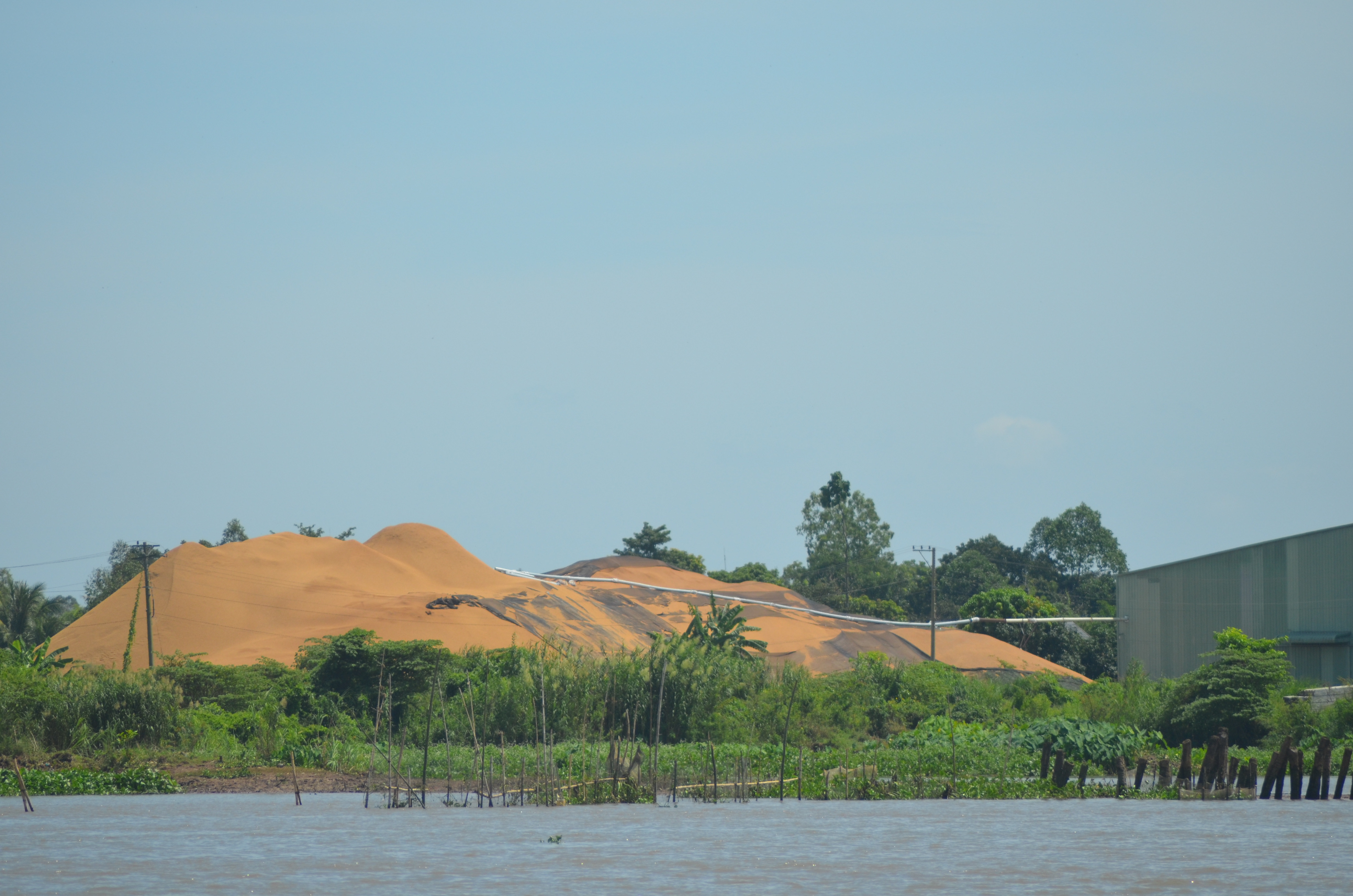
Within SAND!, the project partners investigated how the environmental impacts of sand extraction through hydraulic dredging in the Mekong Delta could be reduced. To this end, technological and management-based approaches were developed and model-based scenarios for risk minimisation were elaborated. In parallel, alternatives to sand extraction (e.g. recycling and crushed sand) were assessed, and primary as well as secondary raw materials were accounted for. In addition, starting points for regulatory and quality-assurance frameworks were derived to enable broader use of mineral substitute construction materials.
Photo: Prof. Dr. Petra Schneider
- Mining Residues and Radiation Protection
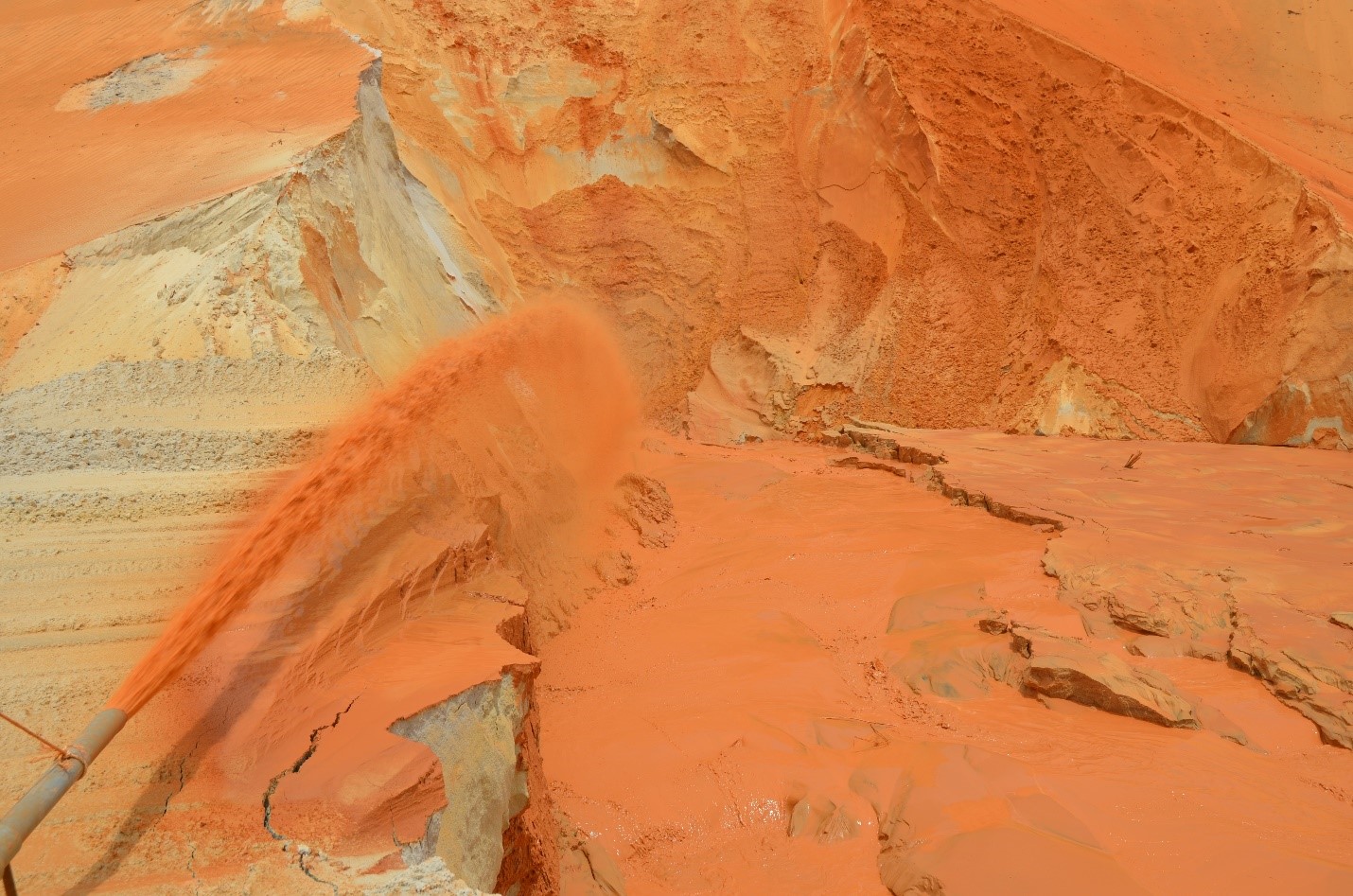
project RENO-TITAN – Reuse of NORM Residues from the Titanium Industry in Vietnam (3 years, 2023–2026)
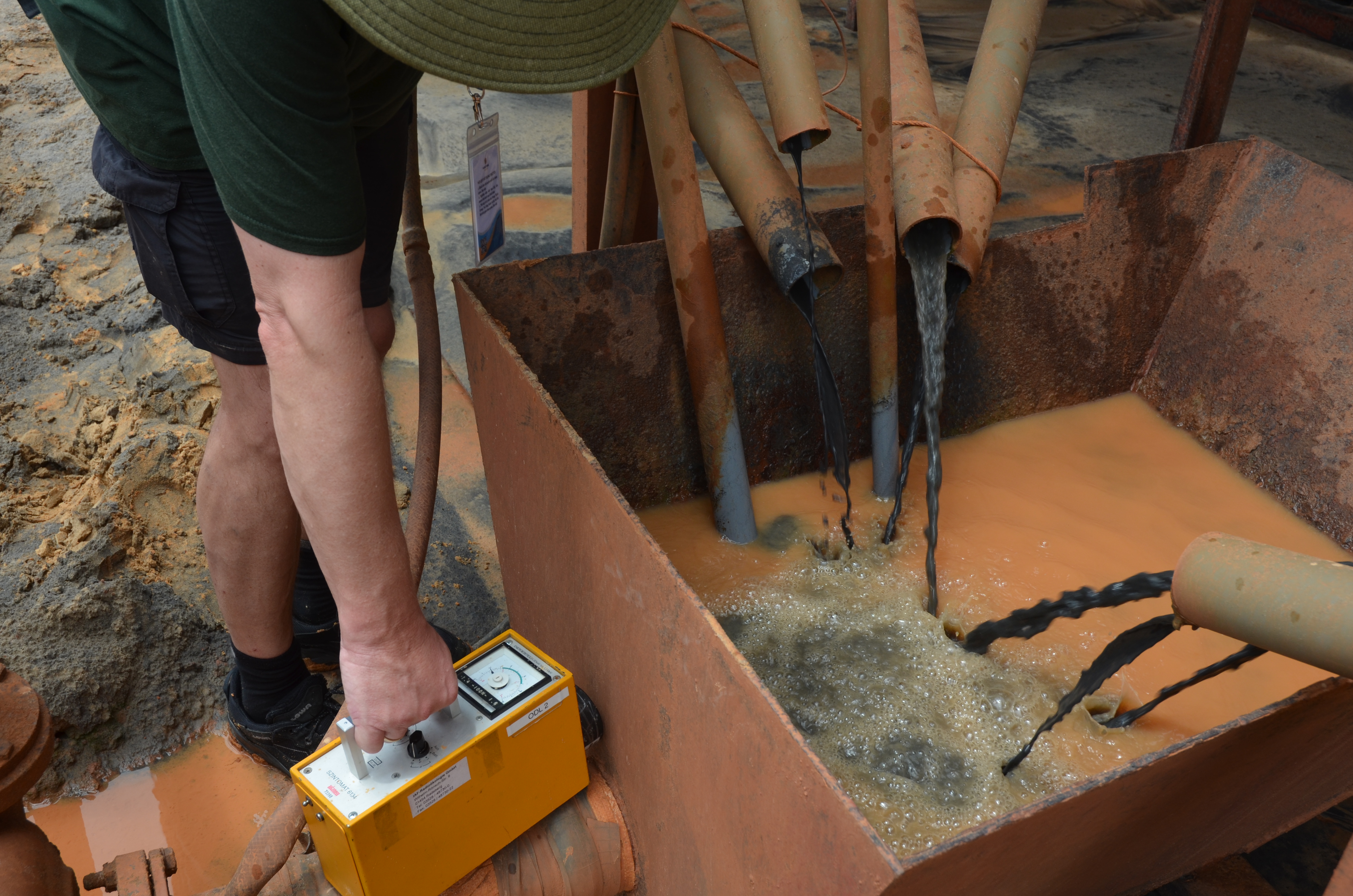
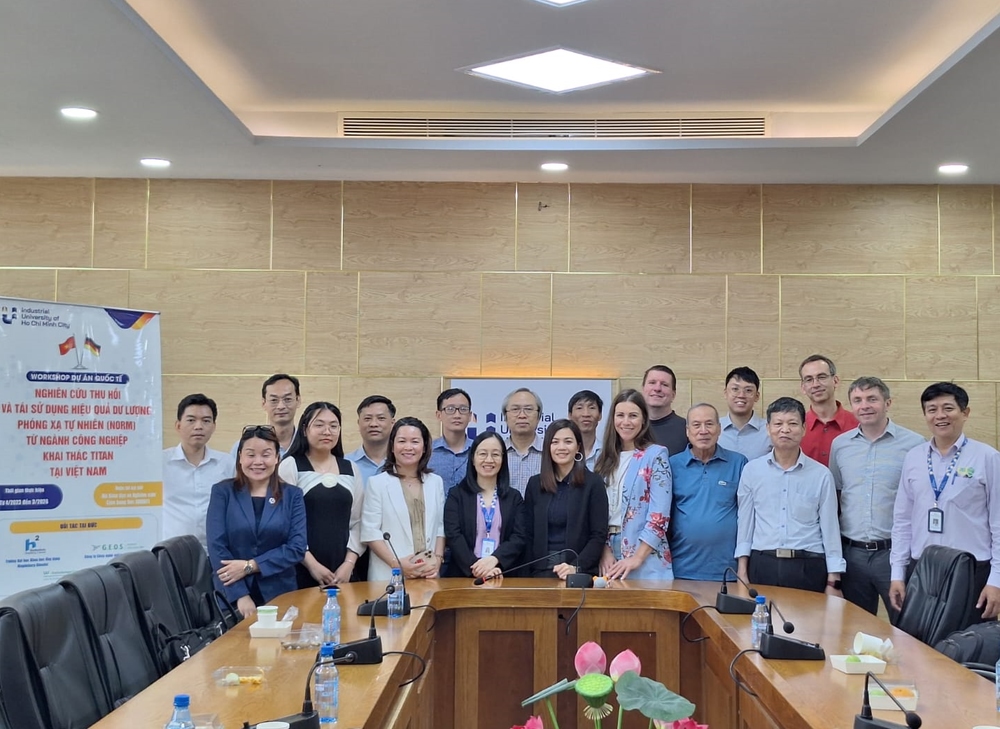
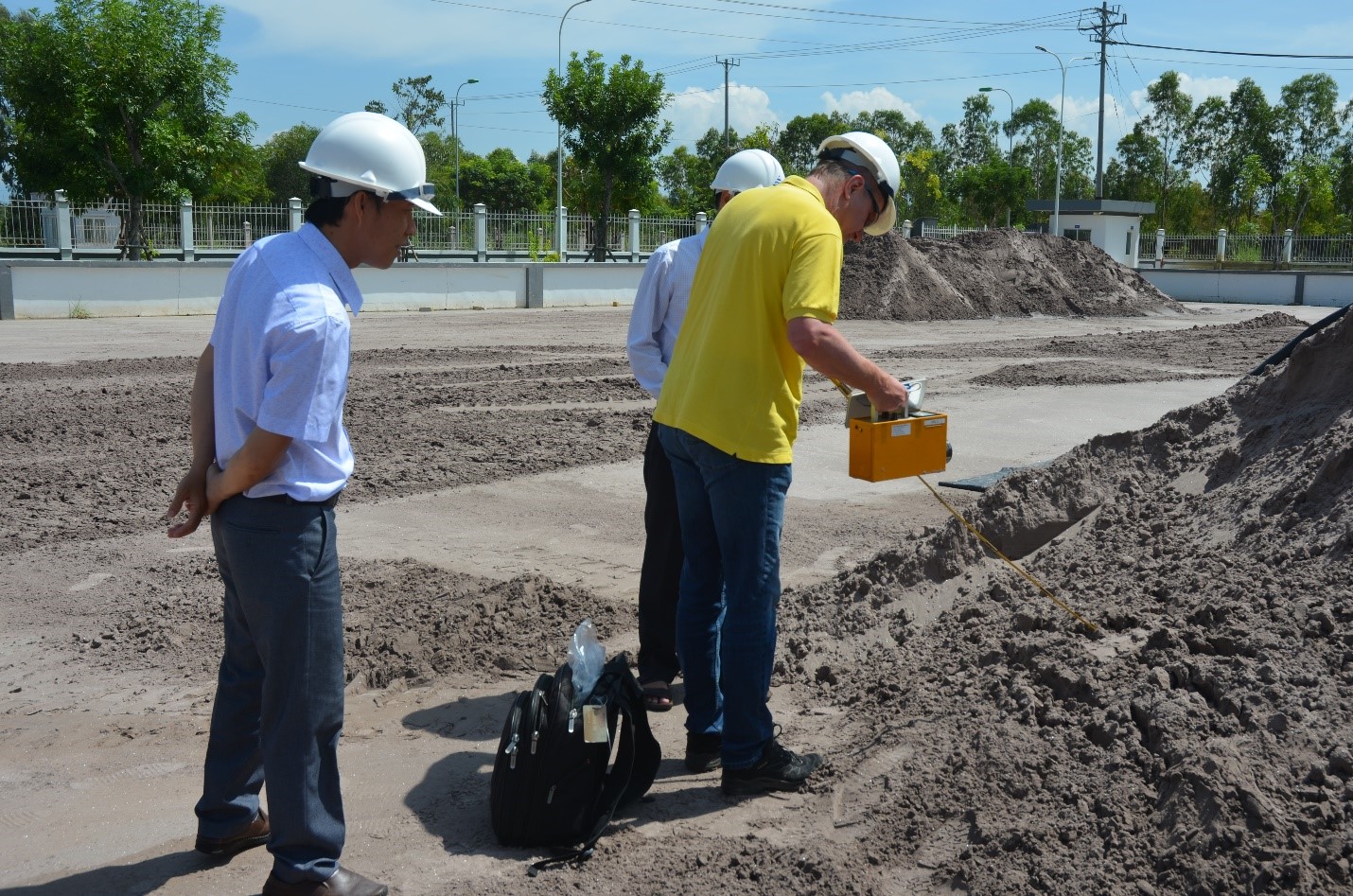
In RENO-TITAN, the consortium examined how NORM-bearing residues (NORM = Naturally Occurring Radioactive Material) from the extraction and processing of titanium-rich heavy mineral sands in Vietnam could be managed safely. The work was motivated by practical and regulatory uncertainties in dealing with naturally occurring radioactivity in the sector. Activities included an analysis of the legal framework, the conduct of environmental assessments, and the appraisal of recovery and disposal options. Specifically, the partners tested immobilising materials for the long-term safe containment of residues. In parallel, the potential of circular-economy approaches was explored by assessing the suitability of residues as substitute construction materials—provided that they pose no long-term radiological hazard.
Photo: Prof. Dr. Petra Schneider
.JPG)
_PetraSchneider.JPG)