Initial situation: Decline in insect diversity
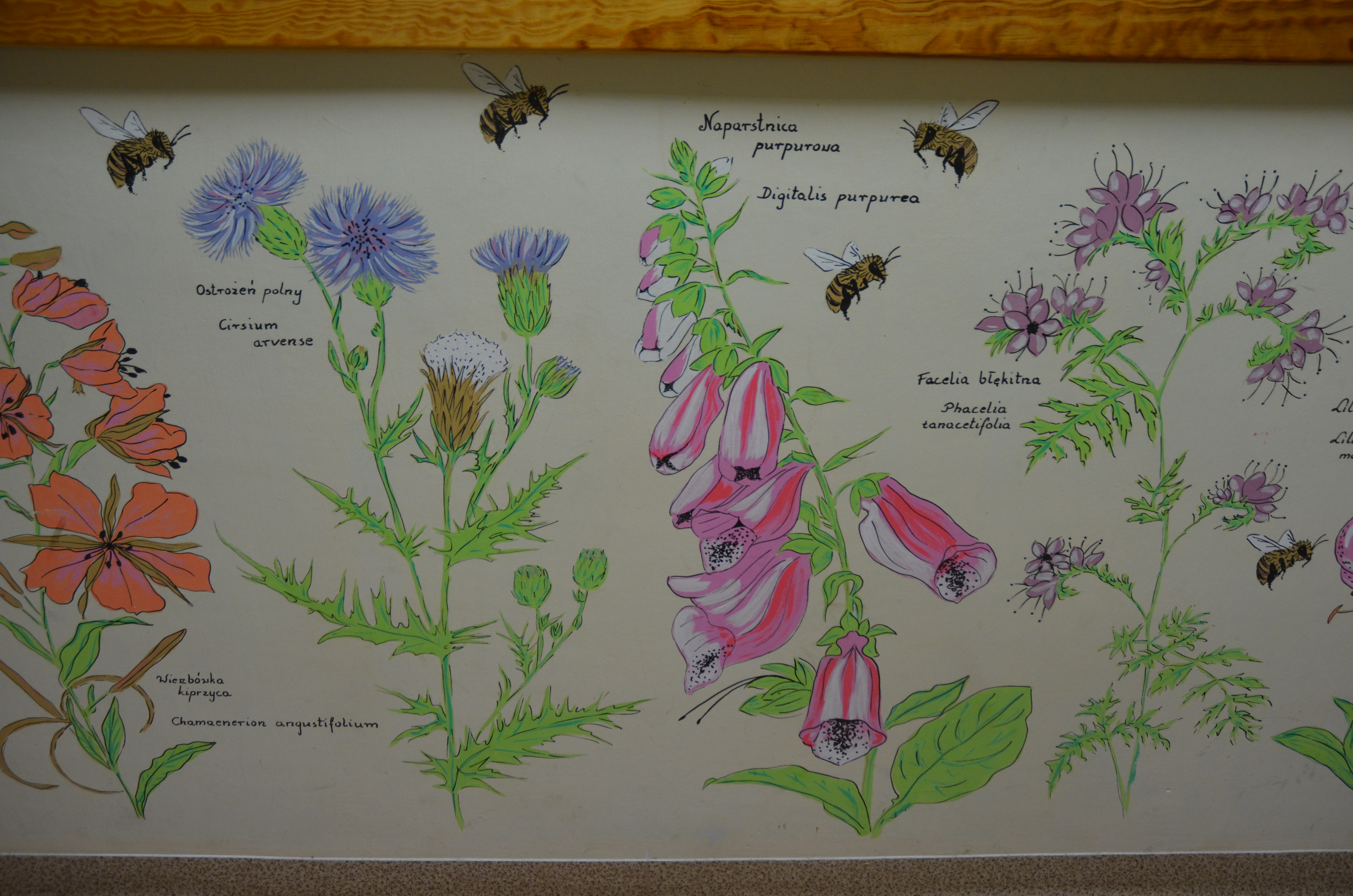
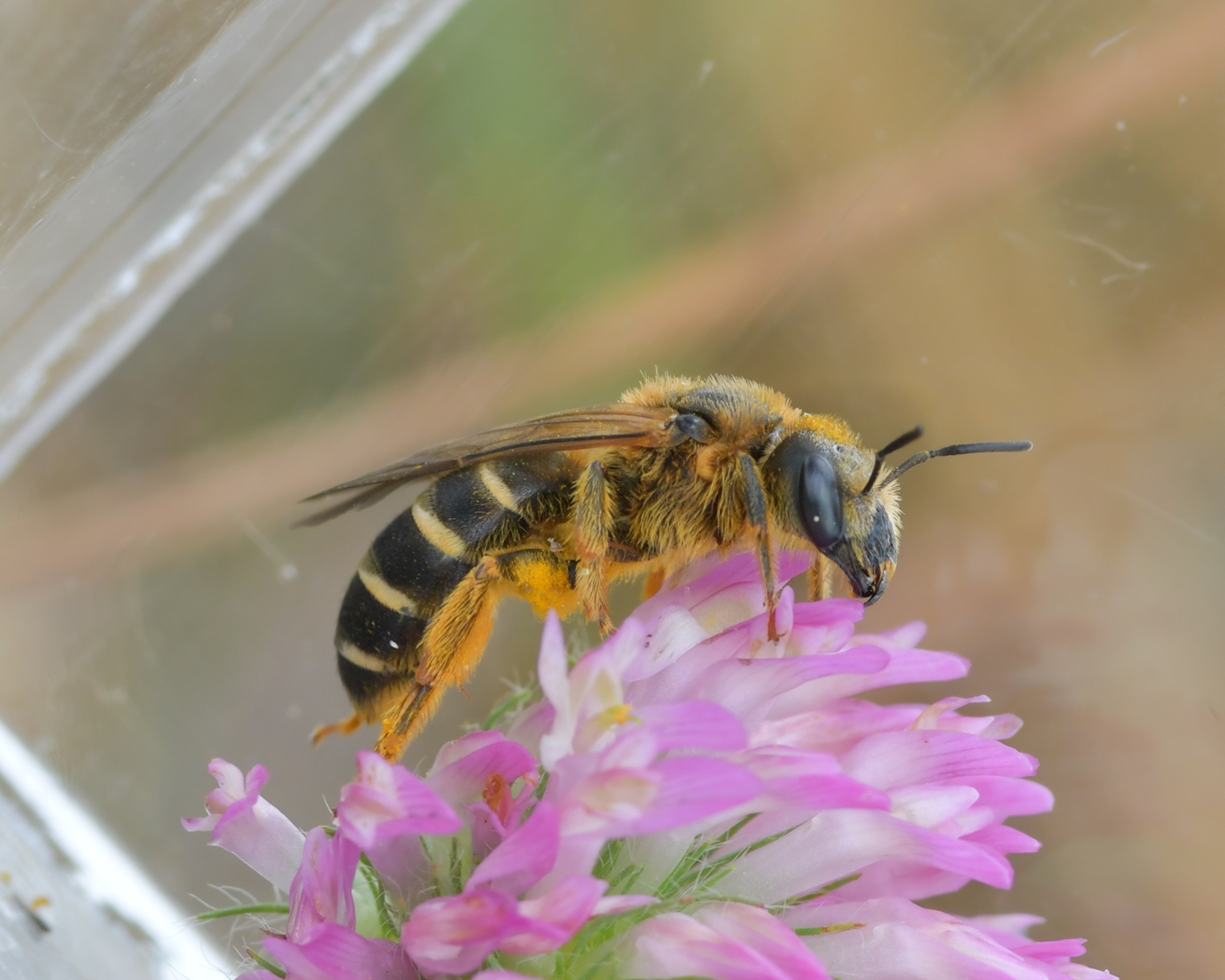
Insects perform indispensable functions in ecosystems, yet their populations are declining in many places. Species that depend on intact, connected and structurally diverse habitats are particularly affected. This is precisely where InsectCare comes in: the German-Polish project is dedicated to the protection of pollinators, ground beetles and aquatic insects such as dragonflies, caddisflies and aquatic beetles. These groups fulfil, for example, key functions in nature and the landscape: pollinators ensure the reproduction of numerous plant species, ground beetles play an important role as beneficial organisms in terrestrial habitats, and aquatic insects are an essential part of aquatic food chains as well as sensitive indicators of the quality of water bodies and riparian zones. InsectCare also takes place in the context of the EU Nature Restoration Regulation, which, among other things, provides for reversing the decline of pollinators and restoring damaged ecosystems.
Objective: Conserving biodiversity and strengthening ecosystem services
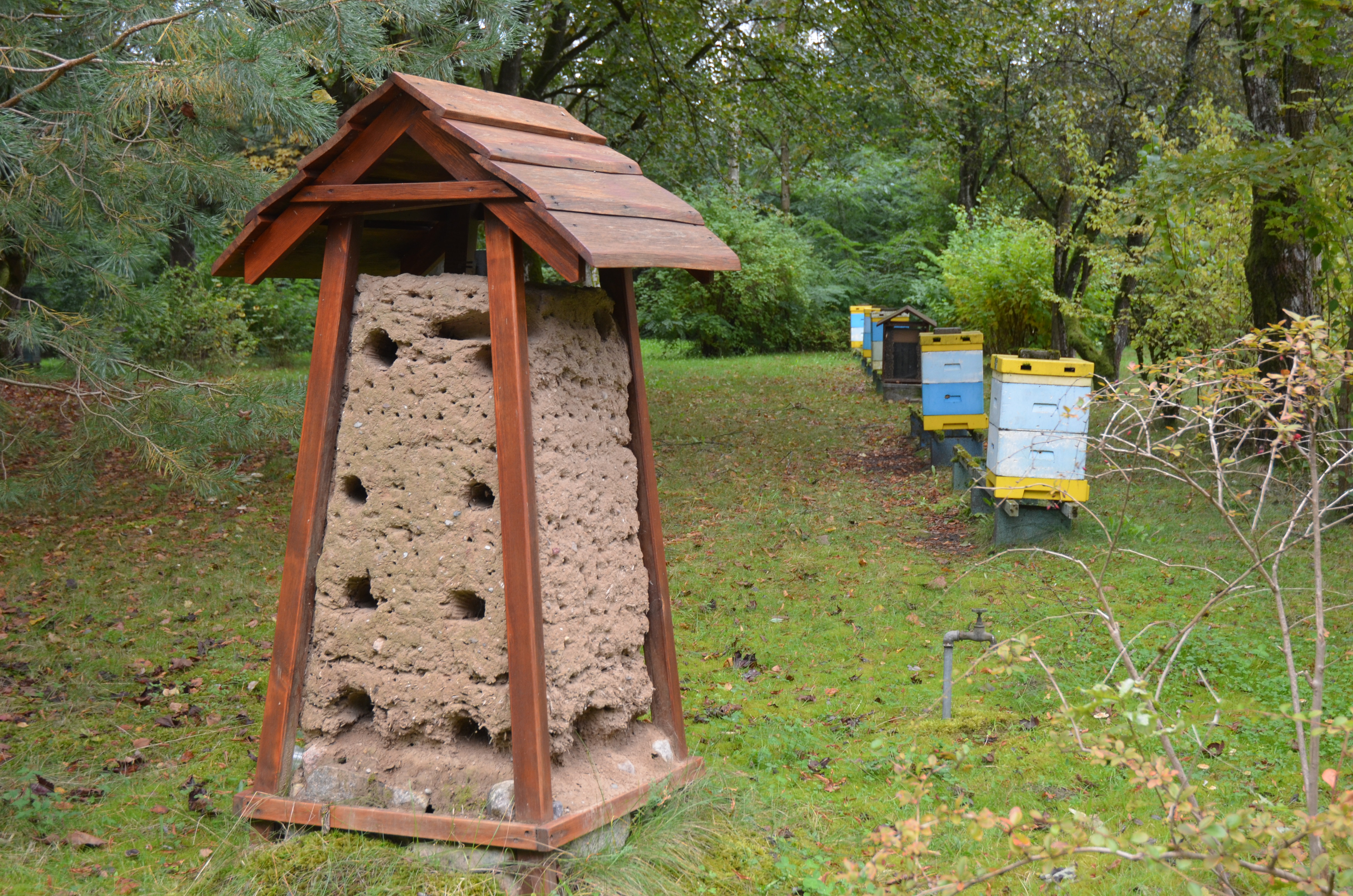
InsectCare aims to conserve biodiversity, strengthen ecosystem services and enhance habitats ecologically. At its heart is the question of how restoration measures can be effectively supported and how their effects can be assessed reliably. A robust monitoring system is essential for this. For that reason, the project places particular emphasis on testing and further developing novel monitoring methods that allow changes in insect occurrence, habitat quality and restoration success to be recorded more precisely. In addition, concrete measures to improve habitats are being developed and tested, including innovative nesting aids for pollinators.
Implementation: Real world laboratories in the Drömling and Welski Park
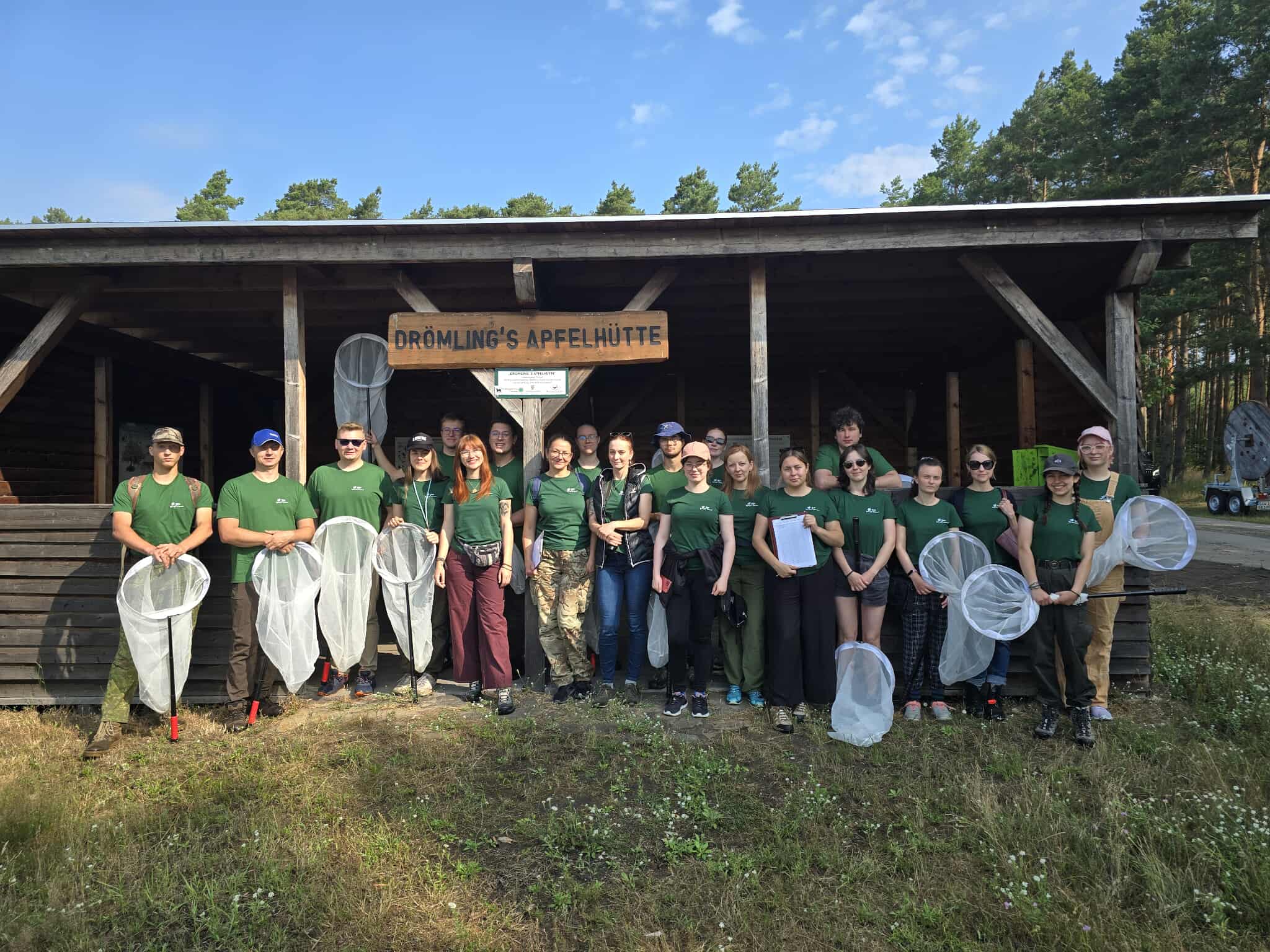
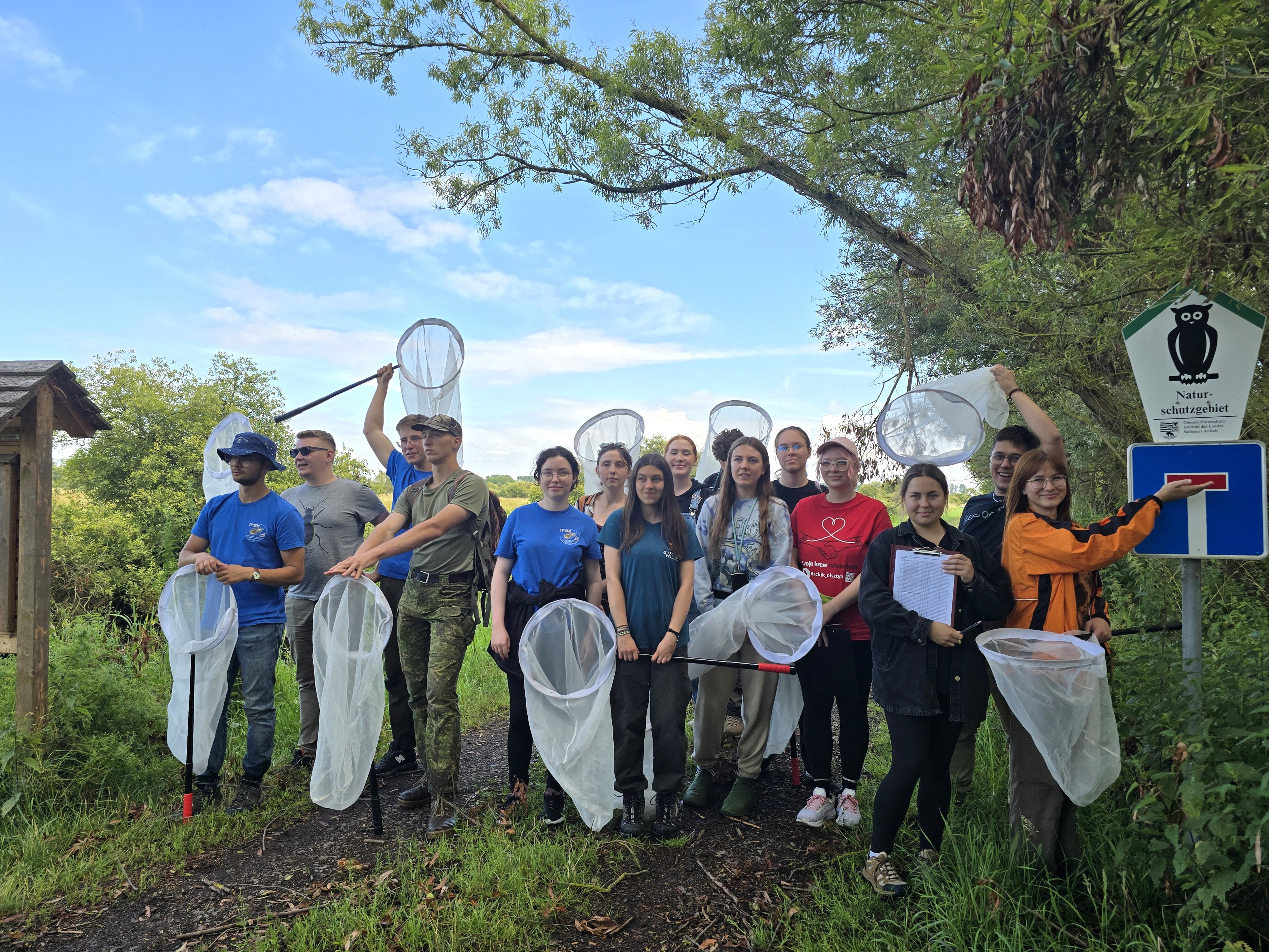
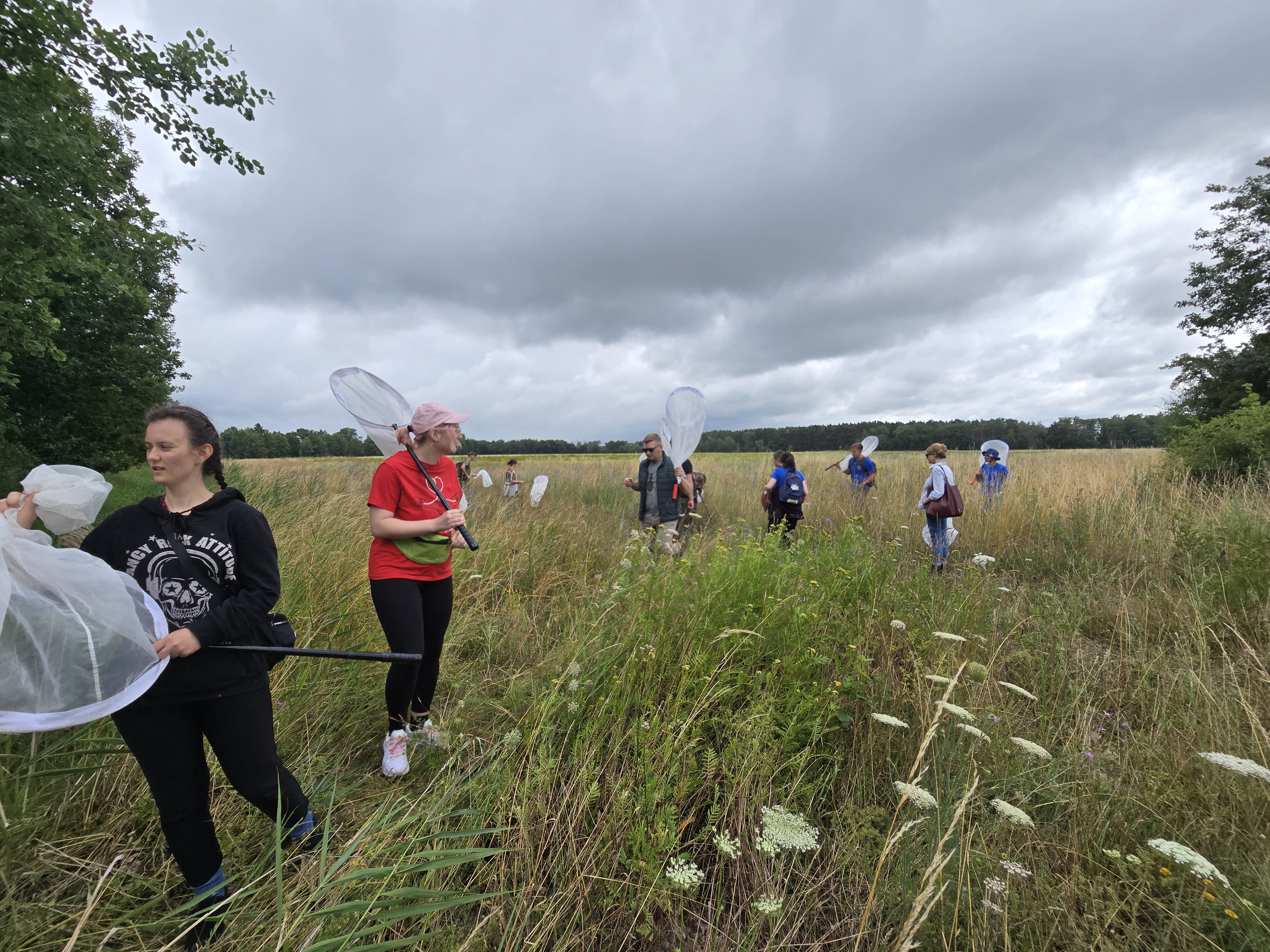
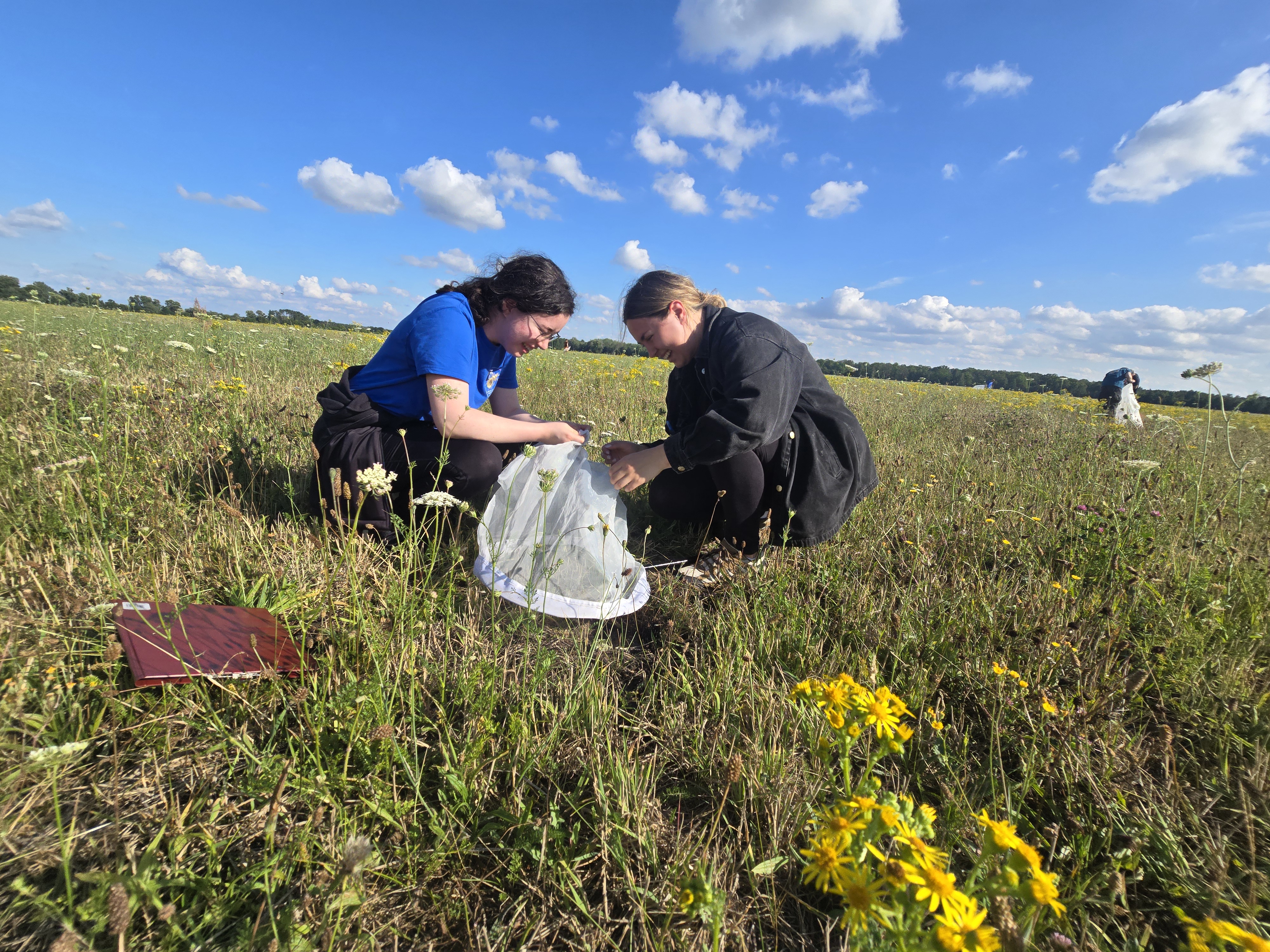
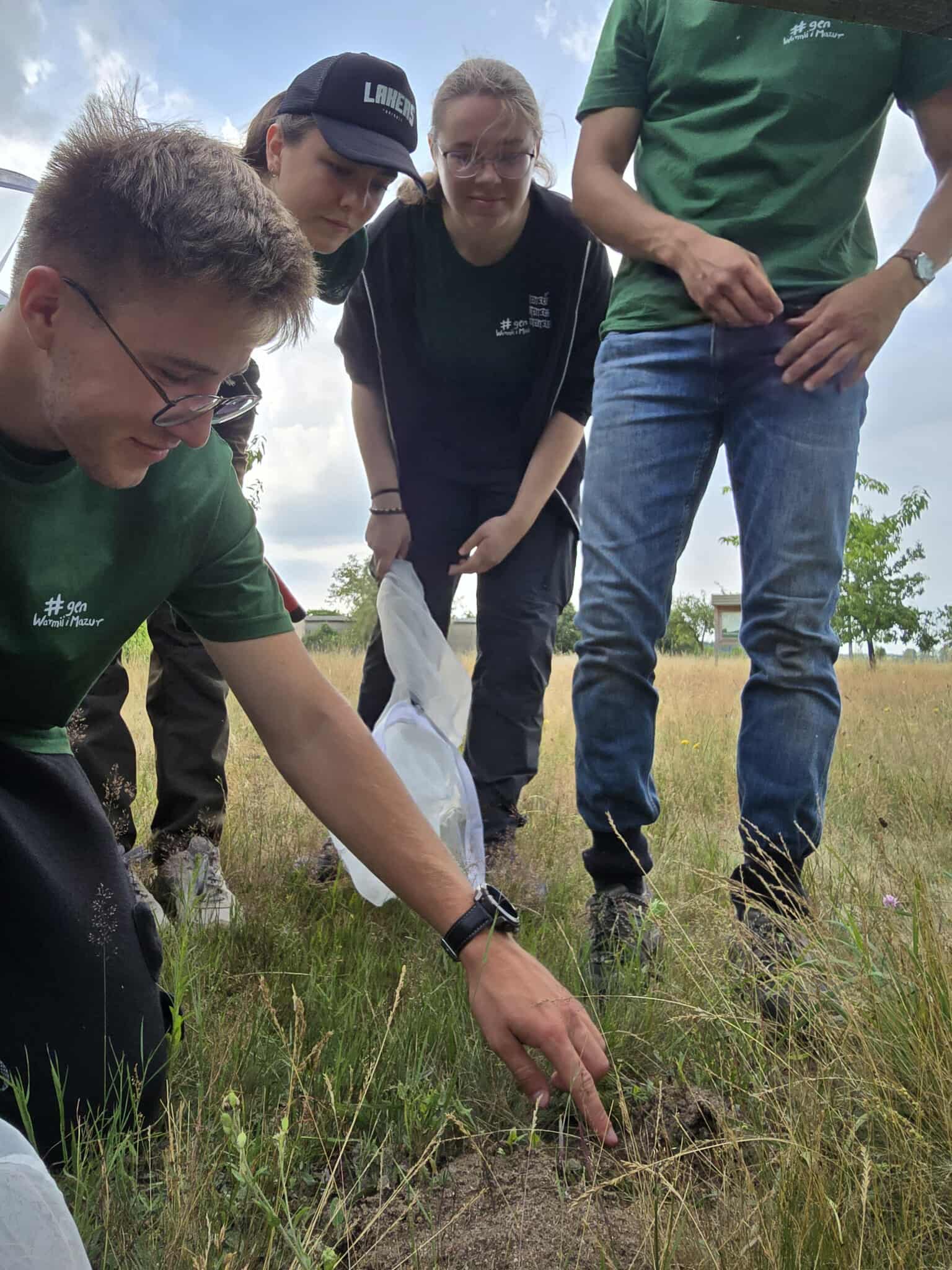
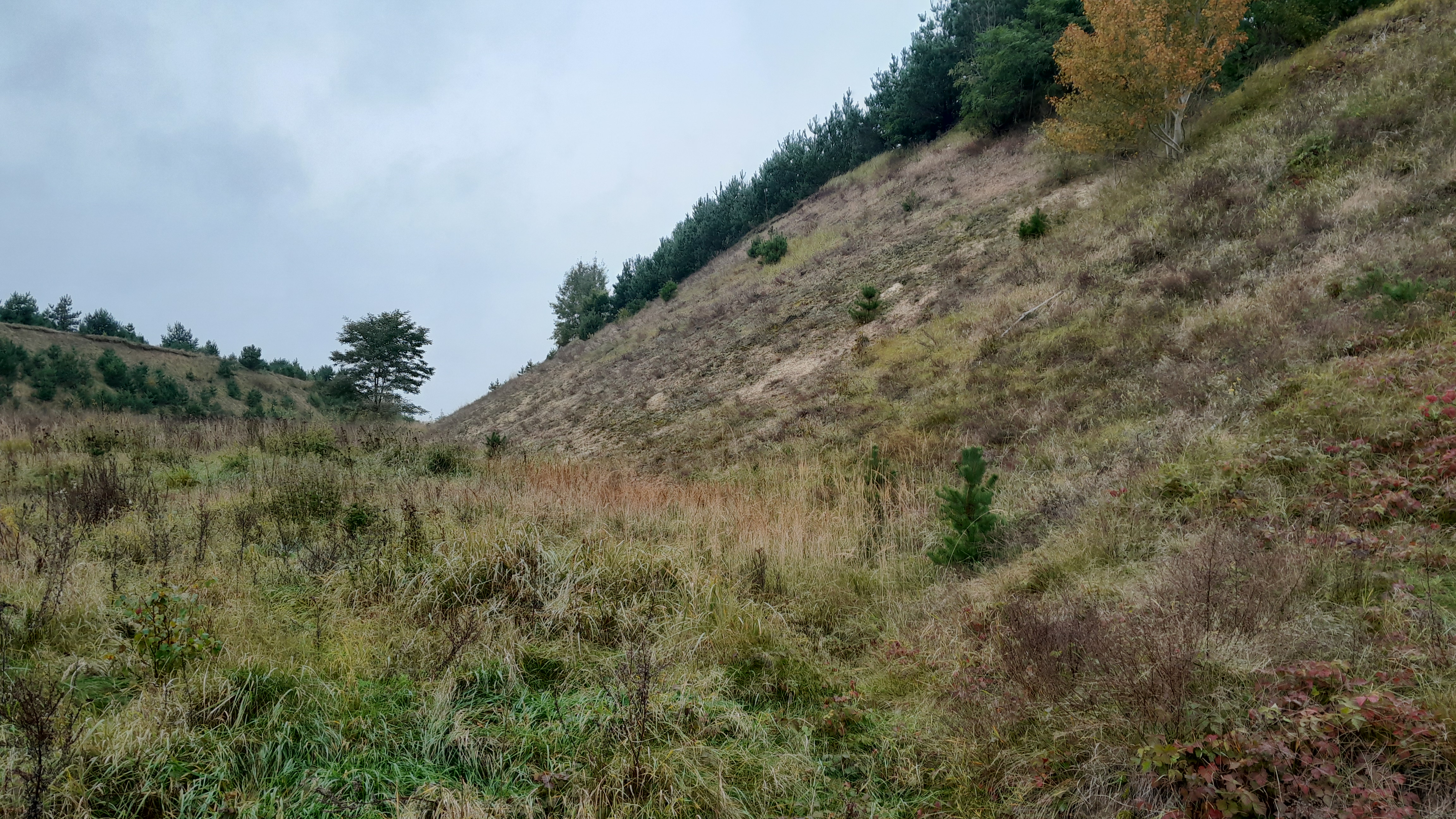
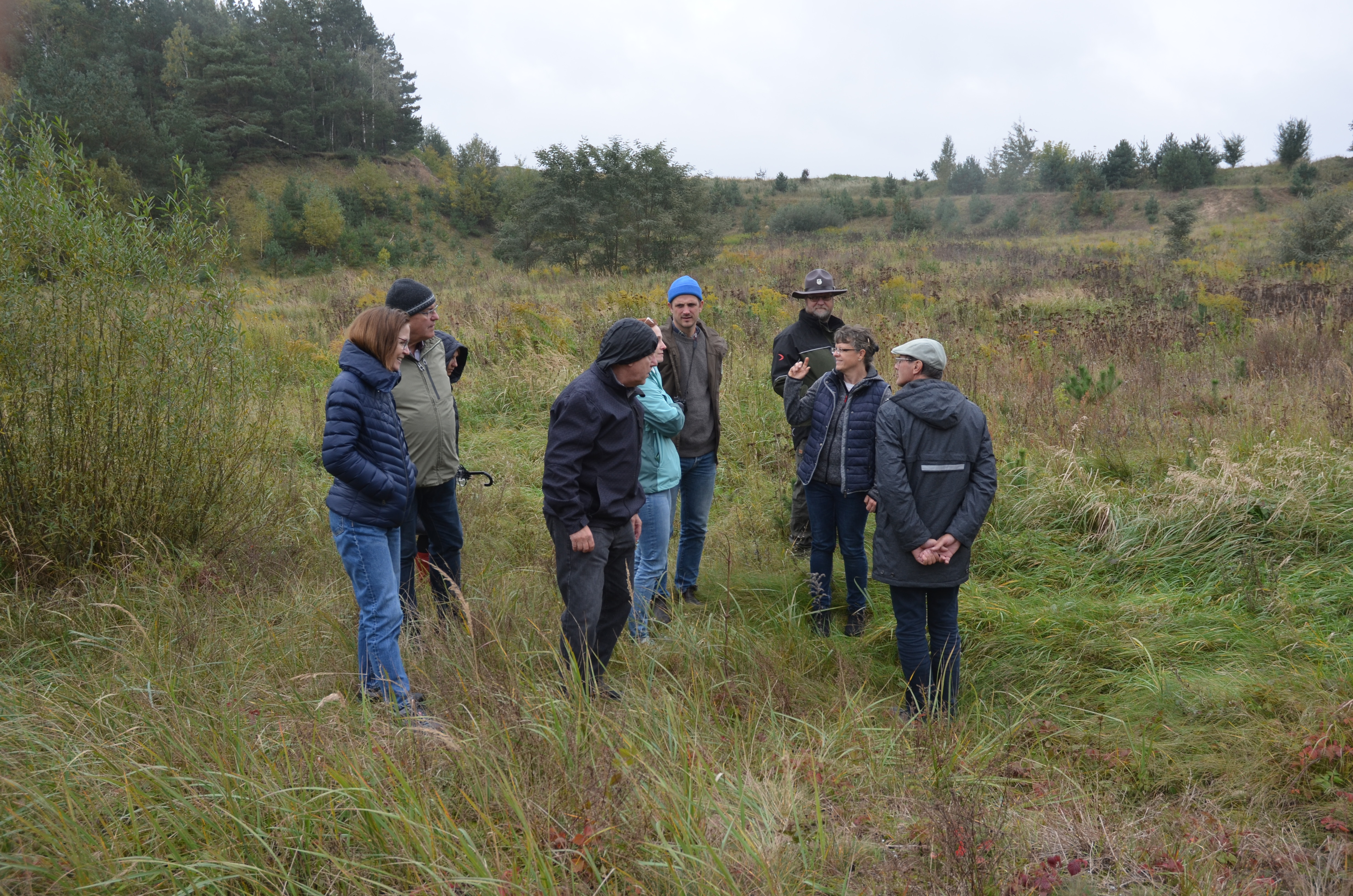
The project is being implemented in the Drömling Biosphere Reserve in Germany and in Welski Park in Poland. The Drömling encompasses extensive lowland areas embedded in valley sand islands, featuring flowing and still waters, wet meadows, bogs, and riparian forests. Welski Park is characterized by meadows, forests, bogs, sandy habitats, near-natural river courses, and numerous lakes. At the same time, InsectCare builds on an existing German-Polish collaboration in the form of science camps that have already taken place in the Drömling in previous years. In real world laboratories on site, the project combines classical insect surveying with modern technologies such as bioacoustics, video analysis, biotelemetry and artificial intelligence. A key component is the Insect Knowledge Hub, which secures data, methods and findings for the long term and keeps them accessible for research, practice and education. In this way, InsectCare links research, practice and education and creates a foundation on which the knowledge generated by the project can continue to be used beyond its duration.
Project Flyer
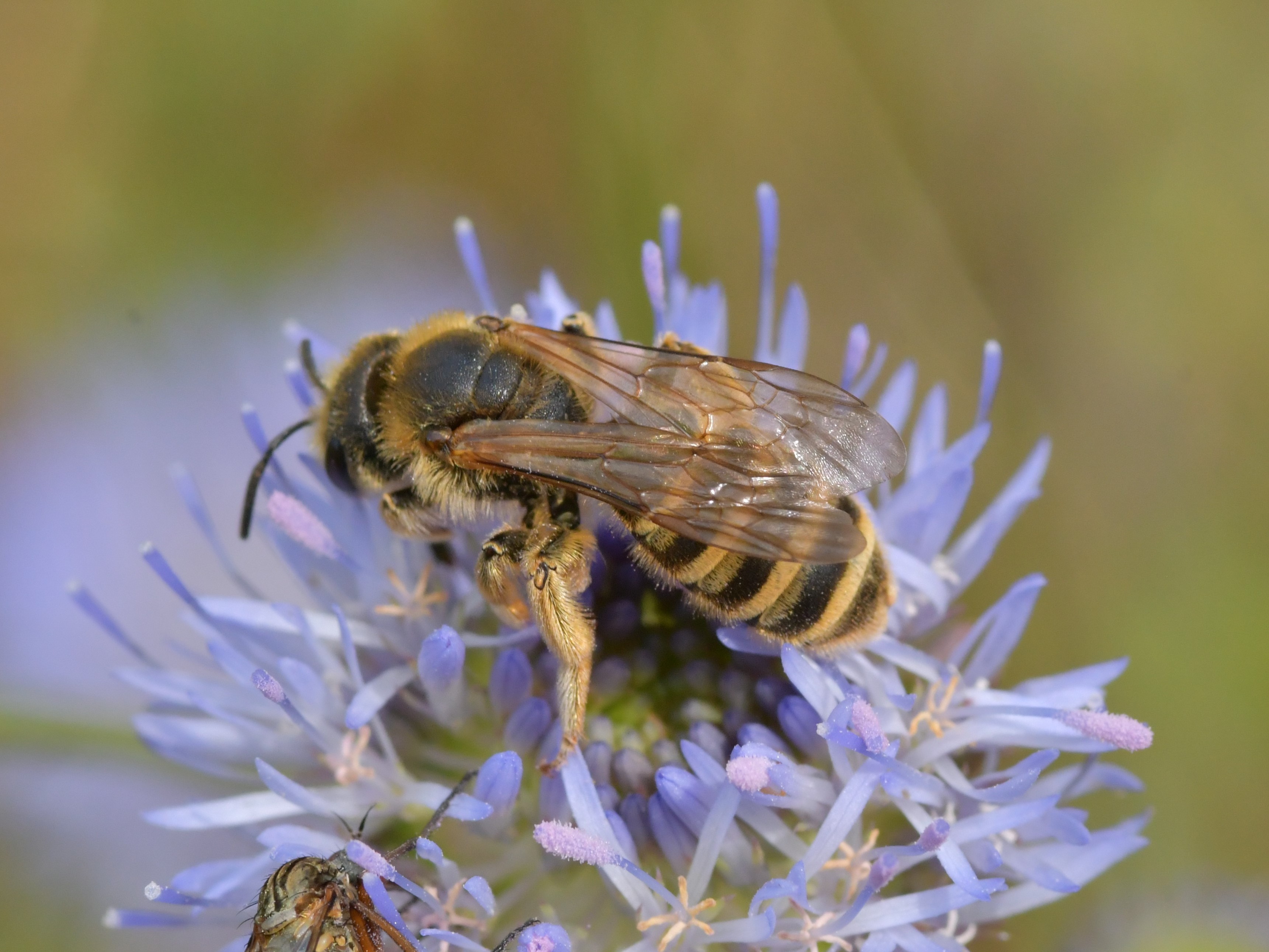
InsectCare | Project Impressions
InsectCare
Integrated Insect Monitoring and Ecological Restoration for Sustainable Protection of Pollinators and Aquatic Habitats in Biosphere Reserves: A Practical Framework for the Implementation of the EU Nature Restoration Law
Project duration
01/04/2026 - expected until 31/03/2029
Funding body
State of Saxony-Anhalt, Germany
Participating institutions
German partners
- Magdeburg-Stendal University of Applied Sciences
- BEE/AI-Tech Research Group
- Engineering Ecology Research Group
- Aquatic and Restoration Ecology Research Group
- UNESCO Drömling Biosphere Reserve
Polish partners
- University of Warmia and Mazury (Uniwersytet Warmińsko-Mazurski) in cooperation with Poznań University of Life Sciences (Uniwersytet Przyrodniczy w Poznaniu)
- Welski Landscape Park

