Earth Sciences in Focus: Collaboration with Armenia
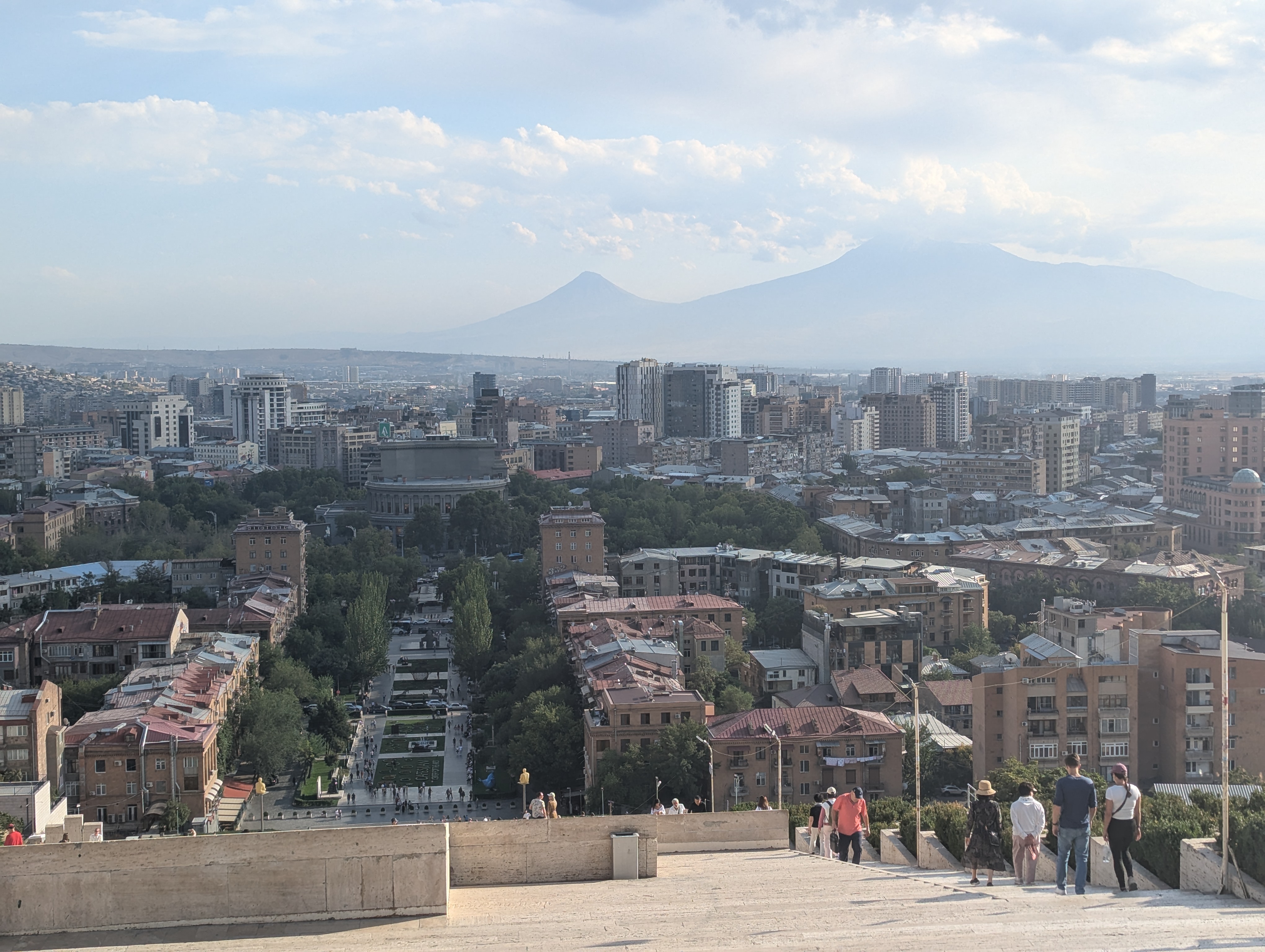
Armenia is a mountainous, landlocked country in the South Caucasus. It is characterised by the Armenian Highlands, Lake Sevan and high biodiversity. Due to its strongly dissected terrain with steep slopes, gorges and steppe landscapes, Armenia is vulnerable to natural hazards—particularly landslides. The climate is continental: summers are hot in the lowlands, while winters in the highlands are cold and snowy.
Origin of collaboration and partner institutions
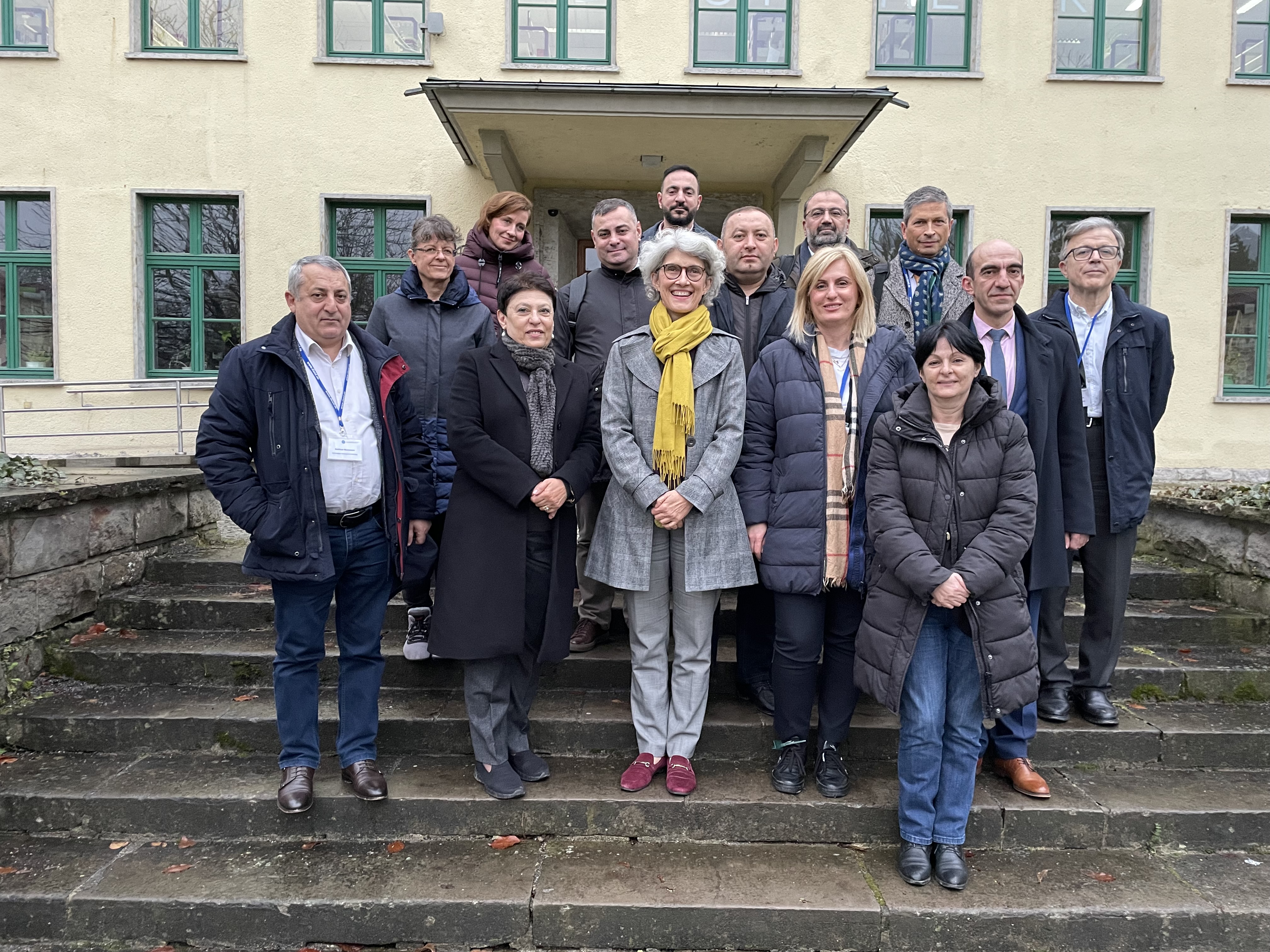
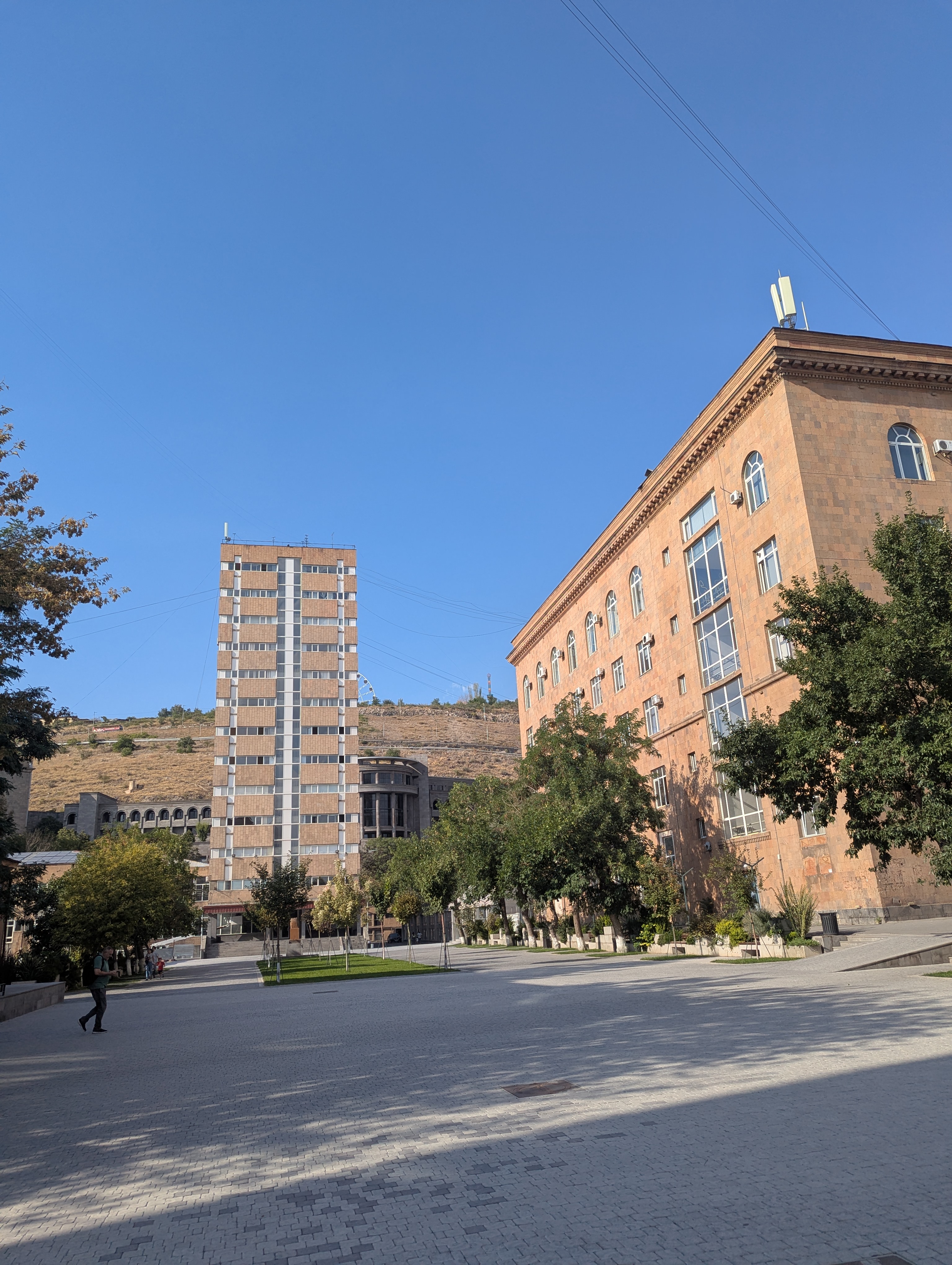
The collaboration with Armenia has been in place since 2023. In that year, a delegation from the National Polytechnic University of Armenia (NPUA) in Yerevan visited Magdeburg–Stendal University of Applied Sciences. The delegation was led by Dr Sargis Asatryants (Deputy Director for Internationalisation and Reforms). In addition to technical discussions, the visitors were introduced to the campus and the university’s sustainability initiatives, including our nature trail.
Thematic focus of the collaboration
The initial discussions focused on—and continue to focus on—the following topics:
- Water management
- Climate change adaptation
- Natural hazard management
These exchanges led to a collaboration between the Engineering Ecology Research Group and the Climate Change and Sustainable Development Laboratory at NPUA (Director: Dr Hayk Igityan). Joint initiatives are currently being prepared in the fields of engineering ecology, environmental modelling, and water and circular economy.
Current research activities
As part of ongoing publication work, isotope-hydrological data from the Caucasus were analysed to estimate groundwater recharge timescales.